

Close Menu
AI News TodayAI News Today

    Subscribe to Updates

    Get the latest creative news from FooBar about art, design and business.

    What's Hot

    Travis Kalanick’s Atoms might be getting into the robotaxi business

    Text Watermarking in Python: Catch Whoever Copies Your Writing

    The Fairphone 6 Plus is the midrange phone we desperately needed

    Facebook X (Twitter) Instagram
    • About Us
    • Contact Us
    Facebook X (Twitter) Instagram Pinterest Vimeo
    AI News TodayAI News Today
    • Home
    • AI News
    • AI Reviews
    • AI Tools
    • AI Tutorials
    • Chatbots
    • Free AI Tools
    • Artificial Intelligence
    AI News TodayAI News Today
    Home»AI Reviews»How to Remove Nonconsensual Intimate Images Under the Take It Down Act
    AI Reviews

    How to Remove Nonconsensual Intimate Images Under the Take It Down Act

    By Updated:No Comments3 Mins Read
    Share Facebook Twitter Pinterest LinkedIn Tumblr Reddit Telegram Email
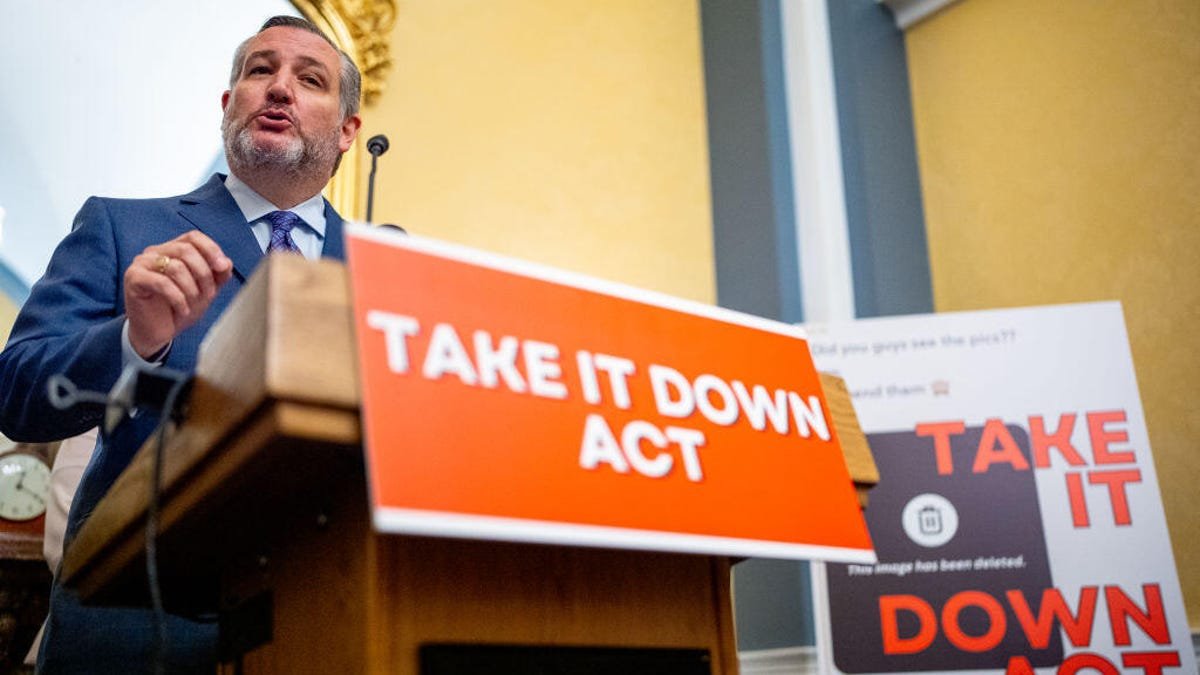
    Ted Cruz stands behind a podium emblazoned with an orange "Take It Down Act" sign. He's in the middle of speaking to an audience.
    Share
    Facebook Twitter LinkedIn Pinterest Email

    If someone has posted intimate pictures or videos of you online, you now have stronger legal tools to compel platforms to remove them, regardless of whether the media is authentic or an AI-generated deepfake. 

    Tuesday marks the start of full enforcement of the Take It Down Act, which legally requires online platforms — social media, messaging, and image-sharing or video-sharing apps — to implement processes for removing such material in response to valid takedown requests.

    Signed into law in 2025, the Take It Down Act was written in response to the increased proliferation of AI-generated and digitally manipulated sexual images. The law, enforced by the Federal Trade Commission, also applies to authentic nonconsensual intimate imagery shared online.

    AI Atlas tag

    Zooey Liao/CNET

    The FTC isn’t directly responsible for the content removal. Affected individuals must first report the images to the platform administrator via the platform’s on-site tools. The agency will collect reports about platforms that do not comply with the law’s removal requirements, and may use those reports to support enforcement.

    The FTC allows individuals to report nonconsensual intimate imagery involving themselves or their children. Reports may also be submitted on a victim’s behalf with their consent.

    The agency also recommends reporting such incidents to local law enforcement and the FBI’s online tipline when appropriate.

    FTC representatives pointed CNET to its press release and didn’t comment further.

    How to file a Take It Down request

    If someone has shared nonconsensual intimate images of you online, the first step is to report the content directly to the platform using its built-in moderation tools. 

    On platforms like Instagram and X, you can usually tap the three-dot menu on a post to access reporting options and select a category related to nonconsensual or sexually explicit imagery.

    image from FTC website that has a button where you can submit a report to flag content

    The FTC’s Take It Down Act has a website where you can submit a report if platforms haven’t removed nonconsensual sexual imagery. 

    Federal Trade Commission

    Every platform should have similar reporting tools. The new legislation mandates that the platform must remove the images within 48 hours of a valid report.

    If a platform fails to act on a report of nonconsensual intimate imagery, or if reporting tools are unavailable or malfunctioning, victims can file a complaint with the FTC online. The agency may use complaints to identify patterns of noncompliance and pursue enforcement actions against platforms that fail to meet their legal obligations. If an image reappears on a platform, you can submit a new takedown request to the platform.

    how the Take It Down Act works, with step 1 notifying the platform and step 2 reporting it to the FTC and step 3 to find out more

    FTC outlines the steps to submit a report. 

    Federal Trade Commission

    Sexually explicit material involving minors is treated as child sexual abuse material and is subject to stricter legal requirements. It should also be reported to the National Center for Missing and Exploited Children’s Cyber Tipline. The FTC also encourages people who know about existing pornographic images of minors — whether they be pictures of themselves, their children or another vulnerable minor — to submit a request with the NCMEC’s own Take It Down service.

    If a platform doesn’t remove nonconsensual intimate imagery, additional tools are available. One option is StopNCII.org, a system run in partnership with the Revenge Porn Helpline that creates a digital fingerprint of an image on the user’s device so participating platforms can detect and block it from being uploaded again.

    Act images Intimate Nonconsensual Remove
    Share. Facebook Twitter Pinterest LinkedIn Tumblr Email
    Previous ArticleMach Industries just spent $50M to solve a major defense tech problem
    Next Article Google’s SynthID AI watermarking tech is being adopted by OpenAI, Nvidia, and more
    • Website

    Related Posts

    AI Reviews

    WellSaid Labs Review: A Hands-On Look at the AI Voiceover Platform

    AI Reviews

    VEED AI Review: What It Does Well, Where It Stumbles, and What You’ll Actually Pay

    AI Reviews

    Udio Is the AI Music Generator You Can’t Ignore: Prompts, Workarounds and Limitations

    Add A Comment
    Leave A Reply Cancel Reply

    Top Posts

    Travis Kalanick’s Atoms might be getting into the robotaxi business

    0 Views

    Text Watermarking in Python: Catch Whoever Copies Your Writing

    0 Views

    The Fairphone 6 Plus is the midrange phone we desperately needed

    0 Views
    Stay In Touch
    • Facebook
    • YouTube
    • TikTok
    • WhatsApp
    • Twitter
    • Instagram
    Latest Reviews
    AI Tutorials

    Quantization from the ground up

    AI Tools

    David Sacks is done as AI czar — here’s what he’s doing instead

    AI Reviews

    Judge sides with Anthropic to temporarily block the Pentagon’s ban

    Subscribe to Updates

    Get the latest tech news from FooBar about tech, design and biz.

    Most Popular

    Travis Kalanick’s Atoms might be getting into the robotaxi business

    0 Views

    Text Watermarking in Python: Catch Whoever Copies Your Writing

    0 Views

    The Fairphone 6 Plus is the midrange phone we desperately needed

    0 Views
    Our Picks

    Quantization from the ground up

    David Sacks is done as AI czar — here’s what he’s doing instead

    Judge sides with Anthropic to temporarily block the Pentagon’s ban

    Subscribe to Updates

    Get the latest creative news from FooBar about art, design and business.

    Facebook X (Twitter) Instagram Pinterest
    • About Us
    • Contact Us
    • Terms & Conditions
    • Privacy Policy
    • Disclaimer

    © 2026 ainewstoday.co. All rights reserved. Designed by DD.

    Type above and press Enter to search. Press Esc to cancel.