

Close Menu
AI News TodayAI News Today

    Subscribe to Updates

    Get the latest creative news from FooBar about art, design and business.

    What's Hot

    Measles killed 6-week-old baby, coroner confirms after RFK Jr. disputed deaths

    Audacity 4 is a complete revamp of the ‘world’s most popular’ audio editor

    CD sales are making an unexpected comeback amid a retro tech boom

    Facebook X (Twitter) Instagram
    • About Us
    • Contact Us
    Facebook X (Twitter) Instagram Pinterest Vimeo
    AI News TodayAI News Today
    • Home
    • AI News
    • AI Reviews
    • AI Tools
    • AI Tutorials
    • Chatbots
    • Free AI Tools
    • Artificial Intelligence
    AI News TodayAI News Today
    Home»Chatbots»Medieval manuscripts are “biological time capsules” for deadly sheeppox virus
    Chatbots

    Medieval manuscripts are “biological time capsules” for deadly sheeppox virus

    By No Comments3 Mins Read
    Share Facebook Twitter Pinterest LinkedIn Tumblr Reddit Telegram Email
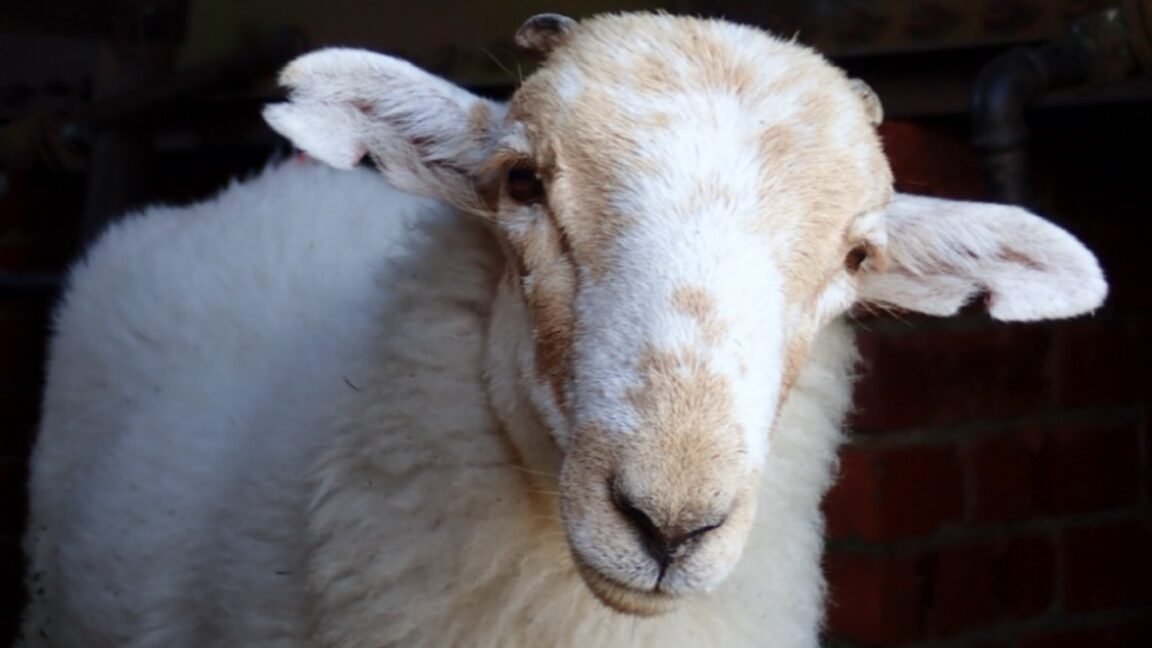
    A curious Welsh Mountain sheep (Ovis aries) stares into the camera
    Share
    Facebook Twitter LinkedIn Pinterest Email

    For instance, last year we reported on research that used microbial DNA analysis of human remains to identify the likely pathogens that killed many soldiers in Napoleon’s army in 1812. Two pathogens in particular stood out: Salmonella enterica, which causes paratyphoid fever, and Borrelia recurrentis, which is transmitted by body lice and causes relapsing fever. Both are consistent with written contemporary accounts.

    Evolution of a virus

    Cambridge, Trinity College, MS B.10.5, fol. 62v, the Epistles of St Paul, Ireland/Northumbria, 700–800 CE.

    Reproduced with kind permission of the Master and Fellows of Trinity College Cambridge
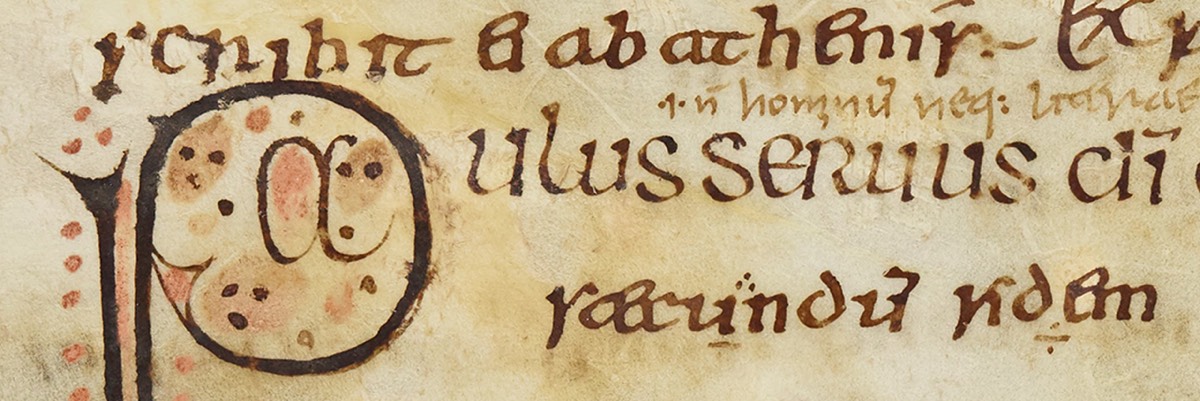
    Cambridge, Trinity College, MS B.10.5, fol. 62v, the Epistles of St Paul, Ireland/Northumbria, 700–800 CE.

    Reproduced with kind permission of the Master and Fellows of Trinity College Cambridge


    Close-up image of part of Cambridge, Trinity College, MS B.10.5, fol. 62v

    Close-up image of part of the manuscript.

    Reproduced with kind permission of the Master and Fellows of Trinity College Cambridge
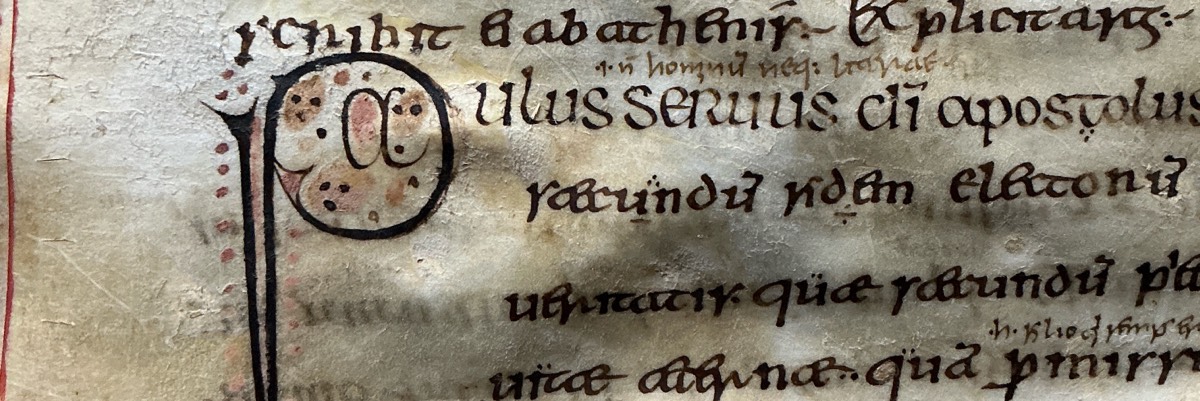
    Close-up image of part of the manuscript.

    Reproduced with kind permission of the Master and Fellows of Trinity College Cambridge


    another close-up image of Cambridge, Trinity College, MS B.10.5, fol. 62v

    Another close-up image of the manuscript.

    Reproduced with kind permission of the Master and Fellows of Trinity College Cambridge

    Another close-up image of the manuscript.

    Reproduced with kind permission of the Master and Fellows of Trinity College Cambridge

    Close-up image of part of the manuscript.

    Reproduced with kind permission of the Master and Fellows of Trinity College Cambridge

    Another close-up image of the manuscript.

    Reproduced with kind permission of the Master and Fellows of Trinity College Cambridge

    The team collected samples from medieval manuscripts housed in collections at Yale University, Cambridge University, Corpus Christi College, University College Dublin, the Lambeth Palace Library, and Trinity College, among others. Those works included pages from a 15th-century Speculum Historiale; the 15th-century Clairvaux manuscripts; several 9th-century gospel text fragments; the 9th-century Achadeus Psalter; the early 11th-century Trinity Gospels; the Lambeth Bible; and the 1,000-year-old York Gospels.

    Multiple pages, often from the same manuscript, were found to contain DNA from the sheeppox pathogen, which means infected animals were likely used to make the parchment—and thus, that medieval flocks experienced frequent outbreaks of sheeppox. The authors were surprised when they also found evidence of the sheeppox virus on parchment made from calfskin and goatskin, suggesting either cross-species infection or contamination when the parchment was being made.

    The team also extracted DNA from Bronze Age sheep teeth collected at settlement sites in Russia and Central Kazakhstan, since teeth can preserve DNA evidence of infection over thousands of years. After comparing those ancient sequences with the medieval ones, the authors concluded that the sheeppox virus diverged from the goatpox and lumpy skin disease viruses (all members of the Capripoxvirus family) between 11,500 and 3,700 years ago. That coincides roughly with the domestication of animals in Europe. All told, the team recovered 21 ancient genomes from 1700 BCE to early modern Europe.

    “Parchment making has been considered a vanishing craft, but we are beginning to understand just how much of the past it has retained,” said co-author Kevin G. Daly, also of UCD. “This project shows that parchments not only preserve our cultural history for hundreds of years, but also the landscape of disease in our livestock in the medieval period. This kind of exciting, surprising discovery is only possible when researchers from a range of disciplines come together to share their expertise and data—a generosity and trust that collaborative science depends on.”

    DOI: Science Advances, 2026. 0.1126/sciadv.aeh3571  (About DOIs).

    biological capsules deadly manuscripts Medieval sheeppox time virus
    Share. Facebook Twitter Pinterest LinkedIn Tumblr Email
    Previous ArticleArchitecting memory and storage in the AI era
    Next Article Trump admin fights ABC lawsuit as watchdogs worry Disney will settle with FCC
    • Website

    Related Posts

    Chatbots

    Audacity 4 is a complete revamp of the ‘world’s most popular’ audio editor

    Chatbots

    No little kids allowed, and other new info about Tesla’s Cybercab

    Chatbots

    GoPro says it’s still committed ‘to your collective stoke’

    Add A Comment
    Leave A Reply Cancel Reply

    Top Posts

    Measles killed 6-week-old baby, coroner confirms after RFK Jr. disputed deaths

    0 Views

    Audacity 4 is a complete revamp of the ‘world’s most popular’ audio editor

    0 Views

    CD sales are making an unexpected comeback amid a retro tech boom

    0 Views
    Stay In Touch
    • Facebook
    • YouTube
    • TikTok
    • WhatsApp
    • Twitter
    • Instagram
    Latest Reviews
    AI Tutorials

    Quantization from the ground up

    AI Tools

    David Sacks is done as AI czar — here’s what he’s doing instead

    AI Reviews

    Judge sides with Anthropic to temporarily block the Pentagon’s ban

    Subscribe to Updates

    Get the latest tech news from FooBar about tech, design and biz.

    Most Popular

    Measles killed 6-week-old baby, coroner confirms after RFK Jr. disputed deaths

    0 Views

    Audacity 4 is a complete revamp of the ‘world’s most popular’ audio editor

    0 Views

    CD sales are making an unexpected comeback amid a retro tech boom

    0 Views
    Our Picks

    Quantization from the ground up

    David Sacks is done as AI czar — here’s what he’s doing instead

    Judge sides with Anthropic to temporarily block the Pentagon’s ban

    Subscribe to Updates

    Get the latest creative news from FooBar about art, design and business.

    Facebook X (Twitter) Instagram Pinterest
    • About Us
    • Contact Us
    • Terms & Conditions
    • Privacy Policy
    • Disclaimer

    © 2026 ainewstoday.co. All rights reserved. Designed by DD.

    Type above and press Enter to search. Press Esc to cancel.