

The investigation, called an Audit Query, will examine the data and process that Tesla used to make that determination, according to a government filing.
In a statement, NHTSA Administrator Jonathan Morrison said his agency “fully supports the safe development and deployment of automated vehicles. But as the federal regulator, we need to ensure that all of our laws are followed.”
Tesla did not immediately respond to a request for comment.
Ann Carlson, a former acting NHTSA administrator who is now a professor of environmental law at UCLA, says the investigation is likely “an indication that NHTSA is super frustrated with Tesla.” The agency made clear through the Zoox case that it expects driverless vehicle developers to go through the exemption process. “For Tesla to slap them in the face and ignore that—that is gobsmacking,” she says.
This kind of federal investigation can prove consequential. NHTSA can require an automaker to change its vehicle or process. The agency can also pursue enforcement actions, including civil penalties. Volvo Group North America paid $130 million in penalties in 2023 after an investigation into its recall process. The company also agreed to three years of oversight by a third-party auditor.
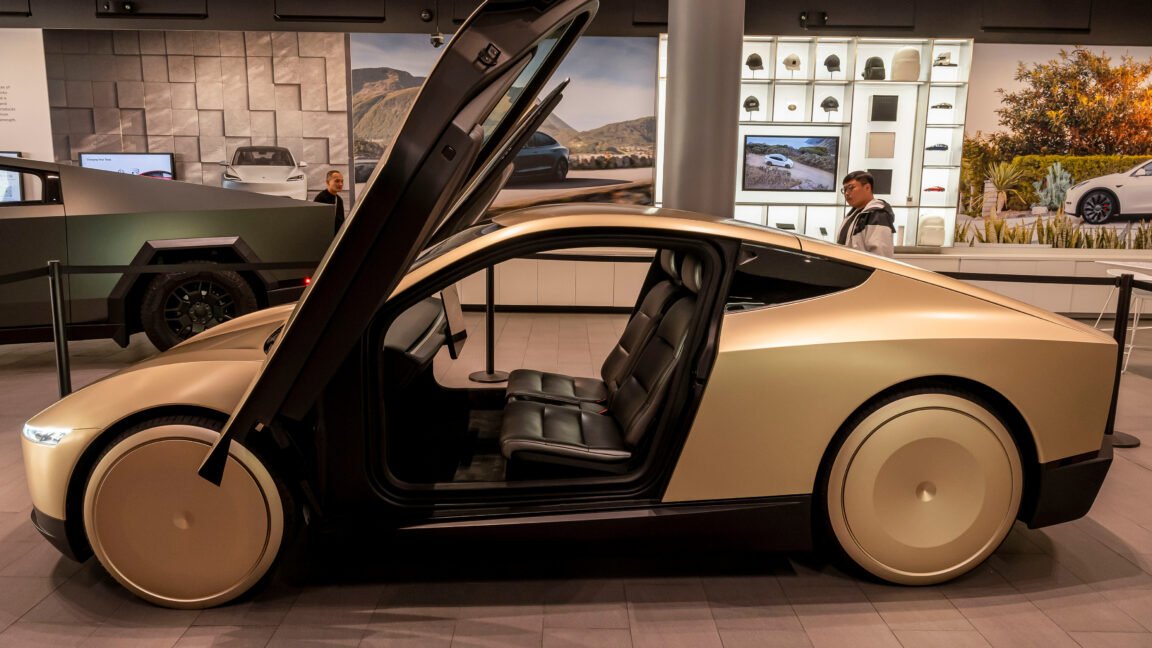
The Cybercabs are, in many ways, symbols of Tesla’s intended future. CEO Elon Musk has said that Tesla should no longer be regarded as an automaker, but as a robotics and autonomous vehicle company. While 45 of these vehicles are in Texas’ Tesla fleet right now, a state database shows, the company intends to deploy millions annually.
This story originally appeared at wired.com.