

Close Menu
AI News TodayAI News Today

    Subscribe to Updates

    Get the latest creative news from FooBar about art, design and business.

    What's Hot

    I Trained a Tiny Network to Compress Data. It Drew a Pentagon.

    How the US handed China control of the rare earth supply chain

    Aftermarket driver assist under federal probe following fatal crashes

    Facebook X (Twitter) Instagram
    • About Us
    • Contact Us
    Facebook X (Twitter) Instagram Pinterest Vimeo
    AI News TodayAI News Today
    • Home
    • AI News
    • AI Reviews
    • AI Tools
    • AI Tutorials
    • Chatbots
    • Free AI Tools
    • Artificial Intelligence
    AI News TodayAI News Today
    Home»Chatbots»A new report from Europe raises serious alarms about orbital collisions
    Chatbots

    A new report from Europe raises serious alarms about orbital collisions

    By No Comments2 Mins Read
    Share Facebook Twitter Pinterest LinkedIn Tumblr Reddit Telegram Email
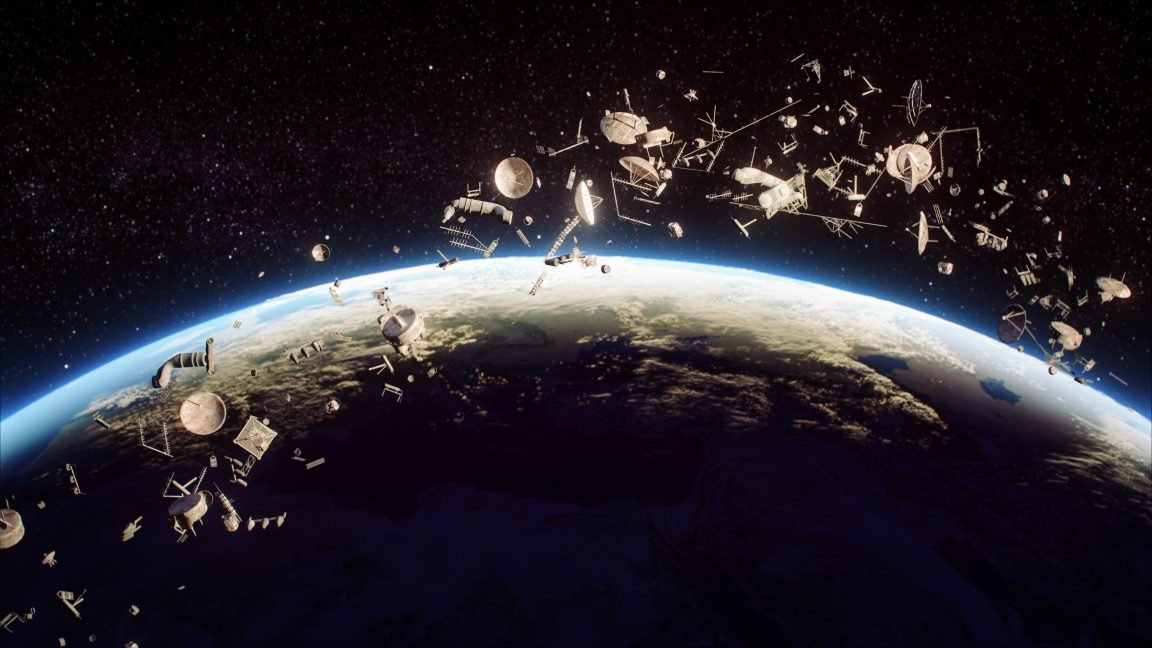
    A new report from Europe raises serious alarms about orbital collisions
    Share
    Facebook Twitter LinkedIn Pinterest Email

    So it’s clear that SpaceX is not operating its Starlink constellation in a cavalier manner. But it’s also clear that the company’s constellation, and those like it, are cause for significant concern going forward.

    What should we be worried about?

    No credible experts are saying that the Kessler syndrome could happen imminently—a single collision won’t set off a Gravity-style cascade.

    But space is getting more crowded, and some orbits, particularly from 520 km to 1,000 km above Earth. A 2025 paper by Hugh Lewis and Kessler (yes, that Kessler) found that some orbital bands in this region have already reached what is known as a “collisional-runaway threshold,” which is to say that any serious collisions there may create new debris faster over time than debris would be naturally removed by the pull of gravity, down into Earth’s atmosphere.

    Another concern comes from spent “rocket bodies,” upper stages from rockets that were not properly disposed of after launch. This was more common in decades past, but some launches today still do not reserve enough propellant to properly deorbit a second or third stage. These school bus-sized stages are particularly problematic at altitudes of 840 and 975 km, said LeoLabs space debris expert Darren McKnight. They are winging around uncontrolled, of course. And the higher the altitude, the longer the debris hangs around, from decades to centuries.

    Finally, because there is so much stuff flying around orbit, it would be relatively easy for bad actors to start shooting missiles at satellites in low-Earth orbit, creating debris fields that could potentially wipe out communications and cause massive financial damage. The probability of Kessler syndrome becomes much higher if humans start deliberately blowing things up in space. Did we mention that Iran recently became the ninth country to put a domestically built satellite into orbit?

    What’s the bottom line?

    In the near term, it seems unlikely that space will become unusable. But it will likely become more and more expensive to operate there when considering avoidance technology, people to manage all of this, and propellant for maneuvers. And finding launch windows that avoid known debris will become more difficult.

    Longer term, perhaps as early as 15 years from now but more likely longer, a Kessler-syndrome type outcome may start to become increasingly plausible.

    Alarms collisions Europe orbital raises report
    Share. Facebook Twitter Pinterest LinkedIn Tumblr Email
    Previous ArticleComma’s hands-off driving tech under investigation after 2 fatal crashes
    Next Article How GRPO Trains Small Language Models with Verifiable Rewards
    • Website

    Related Posts

    Chatbots

    How the US handed China control of the rare earth supply chain

    Chatbots

    YouTube is building AI creator tools that do almost everything for them

    Chatbots

    PitPro’s first tire-changing robot goes live in Canada

    Add A Comment
    Leave A Reply Cancel Reply

    Top Posts

    I Trained a Tiny Network to Compress Data. It Drew a Pentagon.

    0 Views

    How the US handed China control of the rare earth supply chain

    0 Views

    Aftermarket driver assist under federal probe following fatal crashes

    0 Views
    Stay In Touch
    • Facebook
    • YouTube
    • TikTok
    • WhatsApp
    • Twitter
    • Instagram
    Latest Reviews
    AI Tutorials

    Quantization from the ground up

    AI Tools

    David Sacks is done as AI czar — here’s what he’s doing instead

    AI Reviews

    Judge sides with Anthropic to temporarily block the Pentagon’s ban

    Subscribe to Updates

    Get the latest tech news from FooBar about tech, design and biz.

    Most Popular

    I Trained a Tiny Network to Compress Data. It Drew a Pentagon.

    0 Views

    How the US handed China control of the rare earth supply chain

    0 Views

    Aftermarket driver assist under federal probe following fatal crashes

    0 Views
    Our Picks

    Quantization from the ground up

    David Sacks is done as AI czar — here’s what he’s doing instead

    Judge sides with Anthropic to temporarily block the Pentagon’s ban

    Subscribe to Updates

    Get the latest creative news from FooBar about art, design and business.

    Facebook X (Twitter) Instagram Pinterest
    • About Us
    • Contact Us
    • Terms & Conditions
    • Privacy Policy
    • Disclaimer

    © 2026 ainewstoday.co. All rights reserved. Designed by DD.

    Type above and press Enter to search. Press Esc to cancel.