

Close Menu
AI News TodayAI News Today

    Subscribe to Updates

    Get the latest creative news from FooBar about art, design and business.

    What's Hot

    Satlyt, founded by a former Google and SpaceX product manager, raises $8M to run AI on satellites

    Runway Without a Crew: A Step-by-Step Guide to a 30-Second Ad

    How to Use You.com AI for Research That Actually Holds Up

    Facebook X (Twitter) Instagram
    • About Us
    • Contact Us
    Facebook X (Twitter) Instagram Pinterest Vimeo
    AI News TodayAI News Today
    • Home
    • AI News
    • AI Reviews
    • AI Tools
    • AI Tutorials
    • Chatbots
    • Free AI Tools
    • Artificial Intelligence
    AI News TodayAI News Today
    Home»AI News»Here’s why NASA is celebrating the failed mission to save the Swift observatory
    AI News

    Here’s why NASA is celebrating the failed mission to save the Swift observatory

    By No Comments2 Mins Read
    Share Facebook Twitter Pinterest LinkedIn Tumblr Reddit Telegram Email
    Here's why NASA is celebrating the failed mission to save the Swift observatory
    Share
    Facebook Twitter LinkedIn Pinterest Email

    An attempt to save NASA’s $500 million Neil Gehrels Swift Observatory from dropping out of orbit fell short, but the behind-the-scenes machinations required just to make a rescue possible deserve recognition, government and commercial space officials said in a recounting of the mission.

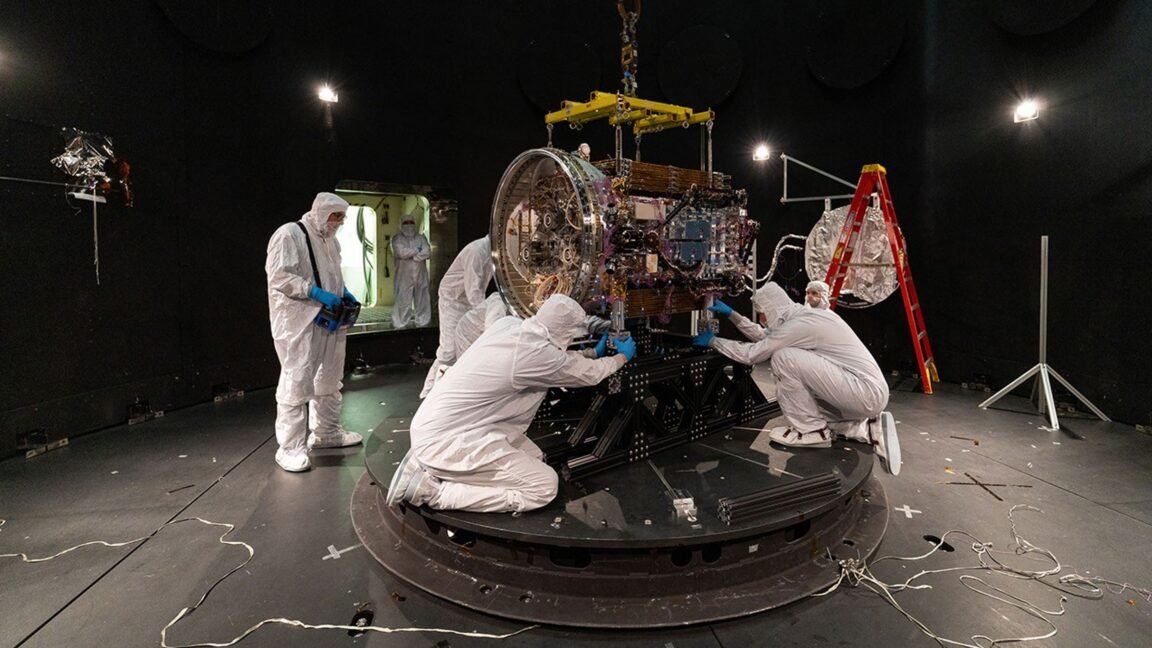
    The rescue mission was developed by Katalyst Space Technologies, working under a $30 million contract awarded by NASA last September. NASA gave Katalyst nine months to build and launch a satellite to capture Swift flying some 200 miles above the Earth and boost it into a higher orbit.

    Katalyst’s rescue spacecraft, known as Link, successfully launched July 3 and completed some of its initial checkouts before a malfunction caused it to spin out of control a few weeks later. NASA announced in August that Link would not be able to reach Swift as intended, and the rescue mission was aborted.

    Still, designing and building a satellite, finding a rocket to launch it, and getting it to work in the harsh environment of space was a remarkable achievement. It would usually take several years to design, build, and test a satellite of Link’s size and complexity from scratch. Link weighed nearly a half-ton at launch, with electric thrusters, robotic arms, and large deployable solar arrays.

    In the end, though, the Link satellite did not reach the Swift Observatory. The failure was bad news for scientists who rely on data from Swift, which has unique capabilities combining sensitivity to gamma rays, X-rays, and visible light with the agility to quickly turn toward astronomical targets. This has made Swift the go-to observatory for detecting gamma-ray bursts, the most powerful explosions in the Universe.

    But Swift was going to fall out of orbit anyway. The spacecraft launched in 2004 and has far outlived its original design life. Swift does not have its own propulsion system, so it is unable to raise its orbit without help, leaving its fate at the mercy of aerodynamic drag in low-Earth orbit. Increased solar activity in recent years led to an increase in drag at Swift’s altitude, hastening its demise.

    celebrating Failed heres mission NASA observatory save Swift
    Share. Facebook Twitter Pinterest LinkedIn Tumblr Email
    Previous ArticleDoorDash’s drone strategy started on the ground
    Next Article Your AI Bill Is a Toll Booth. Stop Paying Twice.
    • Website

    Related Posts

    AI News

    Satlyt, founded by a former Google and SpaceX product manager, raises $8M to run AI on satellites

    AI News

    OpenManus, Hands On: Three Real Tasks You Can Automate This Weekend

    AI News

    DoorDash’s drone strategy started on the ground

    Add A Comment
    Leave A Reply Cancel Reply

    Top Posts

    Satlyt, founded by a former Google and SpaceX product manager, raises $8M to run AI on satellites

    0 Views

    Runway Without a Crew: A Step-by-Step Guide to a 30-Second Ad

    0 Views

    How to Use You.com AI for Research That Actually Holds Up

    0 Views
    Stay In Touch
    • Facebook
    • YouTube
    • TikTok
    • WhatsApp
    • Twitter
    • Instagram
    Latest Reviews
    AI Tutorials

    Quantization from the ground up

    AI Tools

    David Sacks is done as AI czar — here’s what he’s doing instead

    AI Reviews

    Judge sides with Anthropic to temporarily block the Pentagon’s ban

    Subscribe to Updates

    Get the latest tech news from FooBar about tech, design and biz.

    Most Popular

    Satlyt, founded by a former Google and SpaceX product manager, raises $8M to run AI on satellites

    0 Views

    Runway Without a Crew: A Step-by-Step Guide to a 30-Second Ad

    0 Views

    How to Use You.com AI for Research That Actually Holds Up

    0 Views
    Our Picks

    Quantization from the ground up

    David Sacks is done as AI czar — here’s what he’s doing instead

    Judge sides with Anthropic to temporarily block the Pentagon’s ban

    Subscribe to Updates

    Get the latest creative news from FooBar about art, design and business.

    Facebook X (Twitter) Instagram Pinterest
    • About Us
    • Contact Us
    • Terms & Conditions
    • Privacy Policy
    • Disclaimer

    © 2026 ainewstoday.co. All rights reserved. Designed by DD.

    Type above and press Enter to search. Press Esc to cancel.