

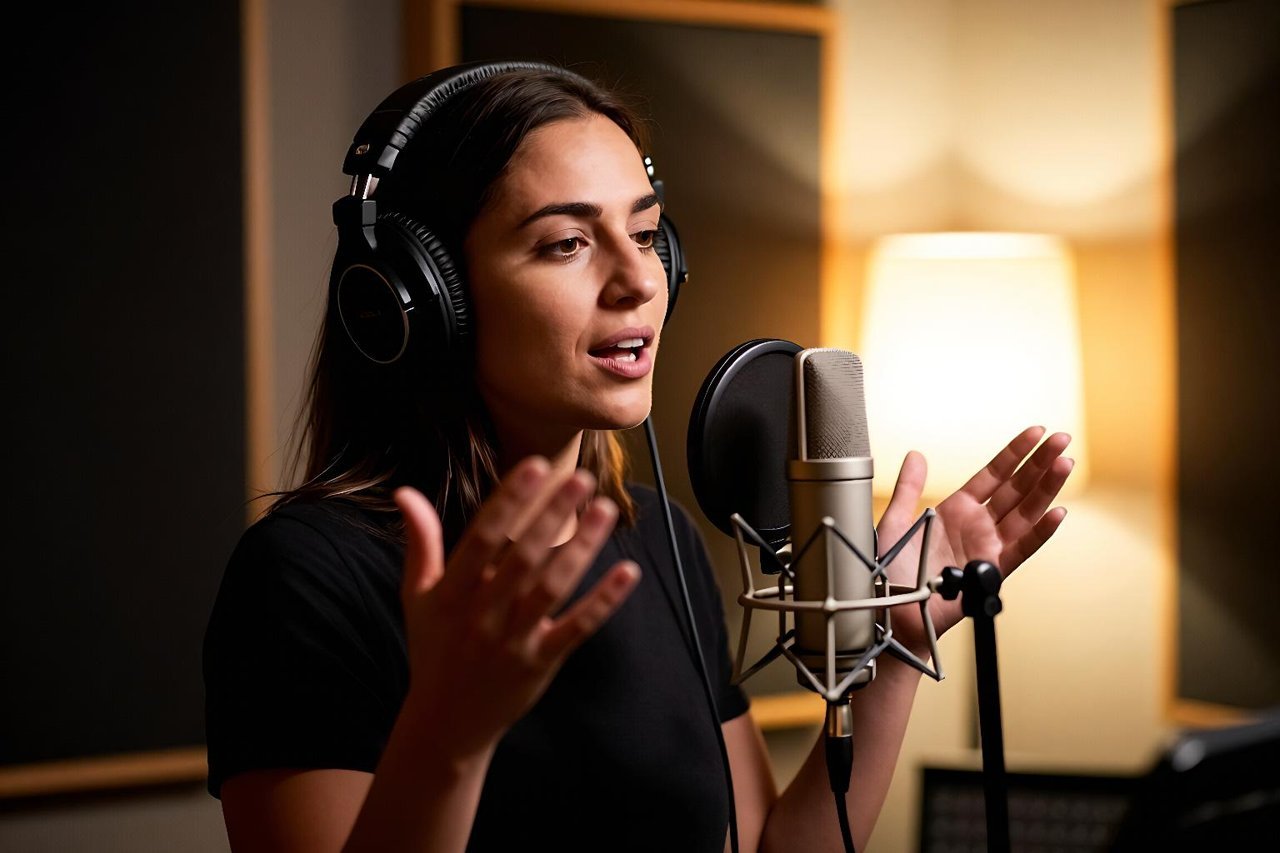
Last spring a freelance video producer I know spent 14 hours writing a single 12-minute YouTube script. Not filming. Not editing. Just writing, deleting, and rewriting the same opening line. She now runs the first draft through an AI script writer in about four minutes, then spends three hours making it sound like her. Same result, a fraction of the grind.
That ratio is worth internalizing. An AI script writer is a fast, tireless first-draft machine with no ego and no deadline anxiety. It is not a replacement for your judgment, your taste, or your feel for the audience. Get that division of labor right and the tool pays for itself. Get it wrong and you publish something that reads like a press release written by a committee.
What an AI Script Writer Actually Does
Strip away the marketing and these tools do one thing: predict the next chunk of text based on what came before. Ask for a script and you get structure, pacing, transitions, and serviceable dialogue. The models have absorbed thousands of YouTube intros, ad reads, and screenplay formats, so they know the shapes even when they don’t know the subject.
Where dedicated script tools differ from a general chatbot is the framing. Many add scene headers, shot suggestions, B-roll notes, and runtime estimates. Some let you set a target length in seconds rather than words, which matters more than most people realize. A 60-second reel runs about 150 spoken words. A 10-minute explainer lands near 1,400. Those numbers stop you from getting a draft twice as long as you can actually use.
Where It Saves Real Hours
Beating the blank page
The first 200 words of any script are the most expensive. You’re deciding tone, pace, and who’s talking. Give a model your topic, audience, and desired vibe and it hands back four opening options in under a minute. Three will be mediocre. The fourth will be wrong in an interesting way, and that’s often enough to get you moving.
Structure before prose
Ask for an outline with timestamps instead of a full script. A ten-minute video becomes hook (0:00 to 0:40), context (0:40 to 2:30), three main points, a counterargument, then a payoff. Editing an outline takes eight minutes. Editing a bad full draft takes an hour. This single habit is the biggest time saver in the whole workflow.
Alternate takes on demand
Need five versions of a call to action, three ways to explain a technical concept to a non-technical audience, or a softer phrasing of a claim your legal team flagged? Asking for ten variations and picking one beats staring at a cursor. The output is disposable, and that’s the point.
Where AI Scriptwriting Still Falls Flat
Plenty of scripts generated end to end are technically fine and completely forgettable. Here’s what tends to break:
- Specificity. Models invent plausible statistics. “Studies show 73% of viewers…” is a sentence that should always trigger a fact check, because the number is likely fabricated or lifted from an unrelated context.
- Emotional truth. It can describe grief. It rarely lands the one detail that makes an audience feel it, like a son who kept his father’s number in his phone for two years after the funeral.
- Jokes. Humor depends on surprise and shared context. A model produces setups with no punch, and comic timing lives in the pause, which is invisible to text generation.
- Silence. Good scripts leave room. AI drafts fill every second with words because words are what they produce.
- Claims and compliance. Anything touching health, finance, or law needs a human who knows the rules. Never publish a generated claim you haven’t verified.
The same weaknesses show up across formats. If you’ve read about what an AI article writer gets right and where it still embarrasses you, the pattern will feel familiar: competent structure, thin substance.
The Prompt That Produces Usable Drafts
Vague prompts get vague scripts. A prompt that works has five parts:
- Role: “You are writing a script for a channel that explains personal finance to people in their late twenties.”
- Format: “Ten-minute video. Spoken-word script with scene headings and B-roll notes.”
- Constraints: “No jargon. No numbers I haven’t supplied. Second person. Average sentence length under 20 words.”
- Samples: Paste 300 words of a script you’re proud of and say “match this voice.”
- Deliverable: “Give me an outline with timestamps first. Wait for my approval before writing the full draft.”
That last line is the one people skip. Forcing an outline checkpoint before the full draft cuts wasted output dramatically, and it keeps you in control of the argument rather than repairing one after the fact.
Voice Is the Part You Can’t Automate
Every model defaults to a smooth, slightly over-explained register that sounds like a corporate training video. The fix is samples plus editing. Paste your own writing, then read the result out loud. Anything you’d never say to a friend gets cut. Awkward clauses get rewritten.
If you like the structure but hate the phrasing, run an editing pass instead of regenerating from scratch. There’s a solid walkthrough of how to use an AI paraphrasing tool without losing your voice that covers the difference between light rewriting and flattening your own style into mush.
Matching the Tool to the Format
YouTube and long-form video
Look for outline-to-script workflows, runtime controls, and the ability to keep a consistent host voice across episodes. Retention depends on the first 30 seconds, so generate several hooks and test them.
Short-form and ads
Sixty seconds is unforgiving. One idea, one payoff, a hook in the first three words. Tools that measure output in seconds rather than word counts are genuinely more useful here.
Narrative and fiction
Useful for dialogue variants, scene transitions, and breaking story structure. Not useful for plot, because a model will happily resolve your third act with an amnesia twist. Keep story decisions human.
Corporate, training, and explainer
This is the sweet spot. Information-dense, low-emotion, structure-heavy content is exactly what these tools do well. Ten product walkthrough scripts in a morning is a realistic outcome.
When comparing options, this roundup of AI writing tools that actually earn their subscription is a reasonable starting point, mainly because it separates products with real script features from chatbots with a script template bolted on.
Free Tiers, Paid Tiers, and What You Give Up
Free access is fine for testing whether the workflow fits. It gets thin when you need long outputs, a consistent voice across sessions, or commercial rights you don’t have to think about twice. There’s an honest breakdown of what free AI chatbots actually give you and what you quietly give up that covers the data and licensing side properly.
Privacy matters more in scriptwriting than people expect. Unreleased show concepts, client campaigns, and internal training material are commercially sensitive. If that describes your work, running a model locally on your own machine is more viable than it was two years ago, though you’ll trade polish for control.
A Workflow That Holds Up
After a few months of iteration, the process that sticks looks like this:
- Write the one-sentence premise yourself. Don’t outsource the idea.
- Generate an outline with timestamps, then edit it hard.
- Draft section by section, not the whole script in one go.
- Read aloud and rewrite anything that doesn’t survive your own ears.
- Fact-check every number, name, and claim.
- Record, then cut 10% during the edit.
The writers getting the most from these tools aren’t the ones with the cleverest prompts. They’re the ones who treat output as raw material and keep the judgment, the taste, and the final edit for themselves. Four minutes of generation plus three hours of shaping beats fourteen hours of blinking-cursor purgatory, and it comfortably beats publishing a script nobody remembers a week later.