

Data deluge
The outbreak began in December 2022 at the Wisconsin National Primate Research Center in Madison. Non-human primates are natural hosts for Shigella, like humans, and it’s not uncommon for outbreaks to flare at such facilities now and then. But it is unusual for an outbreak to be so big and last so long. Even some of the people who worked at the facility fell ill.
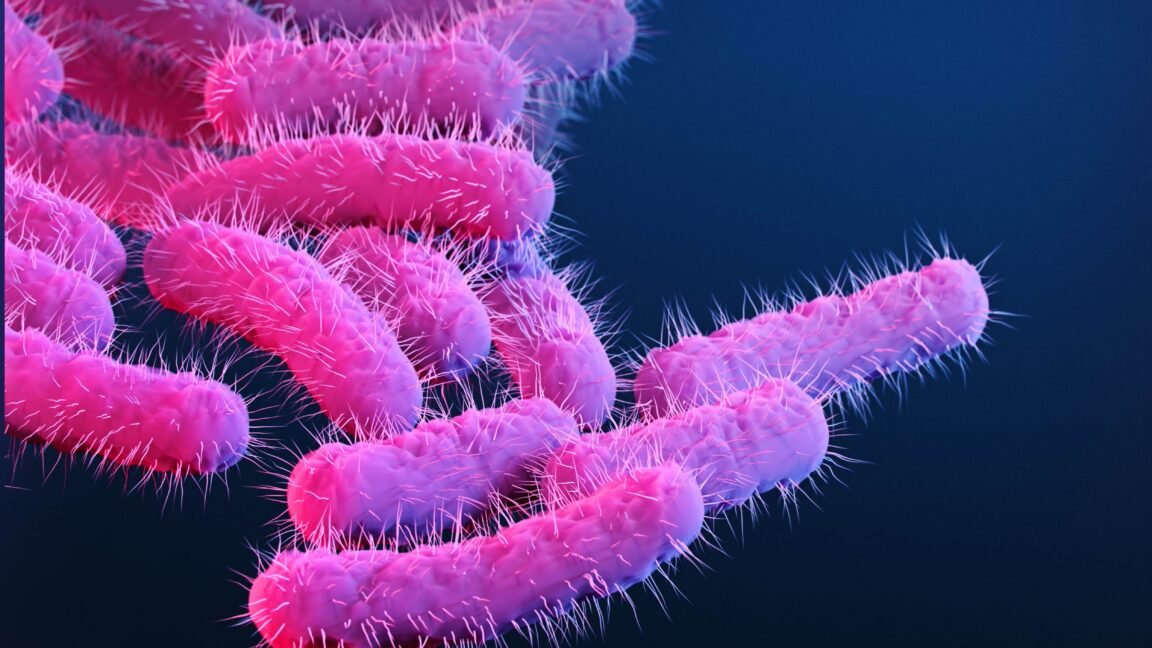
In all, there were 169 microbiologically confirmed shigellosis cases among the non-human primates. Researchers collected 151 Shigella isolates for serotyping and did whole genome sequencing on 95 representative isolates. The outbreak was caused by two related clusters of Shigella flexneri, a species that commonly strikes captive non-human primates. (Human outbreaks are more often driven by Shigella sonnei, but both species can infect either type of primate.) Of the 90 isolates tested for antimicrobial resistance, more than half (63 percent) were multidrug resistant. Most of the cases caused only mild diarrheal symptoms, but there were some asymptomatic cases and some cases that led to severe symptoms. Infants were the hardest hit, similar to what’s seen in humans.
The researchers drew serum, plasma, and specific types of immune cells from 41 infected animals across their infections, taking samples at 1, 2, and between 4 to 6 weeks after an infection was detected. Then they went to work dissecting the immune responses.
The researchers started by looking for antibodies that attacked a known target on Shigella, the O-antigen. This is the outer-most component of a large molecule that juts out from the bacteria’s outer-most membrane. The molecule is called LPS, or lipopolysaccharide. LPS is found exclusively on bacteria, specifically Gram-negative bacteria, a group that includes E. coli and Salmonella, as well as Shigella. The molecule functions as a structural component of the outer membrane, among other things. But given its position on the rim of these bacterial cells, it—and specifically, the outer-most O-antigen component—is a common target of the immune system. However, in Shigella, it’s variable, so antibodies against one serotype’s O-antigen may not be helpful in fighting off other serotypes.