

Stephen Clark, of Ars, recently asked Rocket Lab chief executive Peter Beck if he knew why this delay had occurred. He said he did not. Beck was also asked whether NASA was moving quickly enough given the schedule constraints.
“I think there’s plenty of fire lit under them already,” Beck said. “They understand the importance of the mission. So I think we just need to get it out there, and they need to get it awarded, and everybody needs to get to work.”
One source indicated to Ars that this delay was due in part to a letter sent by US Sen. Roger Wicker, R-Miss, earlier in May to NASA. According to this source, Wicker’s letter was interpreted as favorable toward Rocket Lab’s position in the competition.
Despite multiple efforts, Ars has been unable to obtain a copy of this letter. A NASA spokesperson, noting that the agency is now in a “blackout” period due to the contract solicitation’s release, declined to confirm the existence of Wicker’s letter, or to release it.
Mars Sample Return
Why would Wicker be interested in a space company like Rocket Lab, which was founded in New Zealand and now has its headquarters in Long Beach, California?
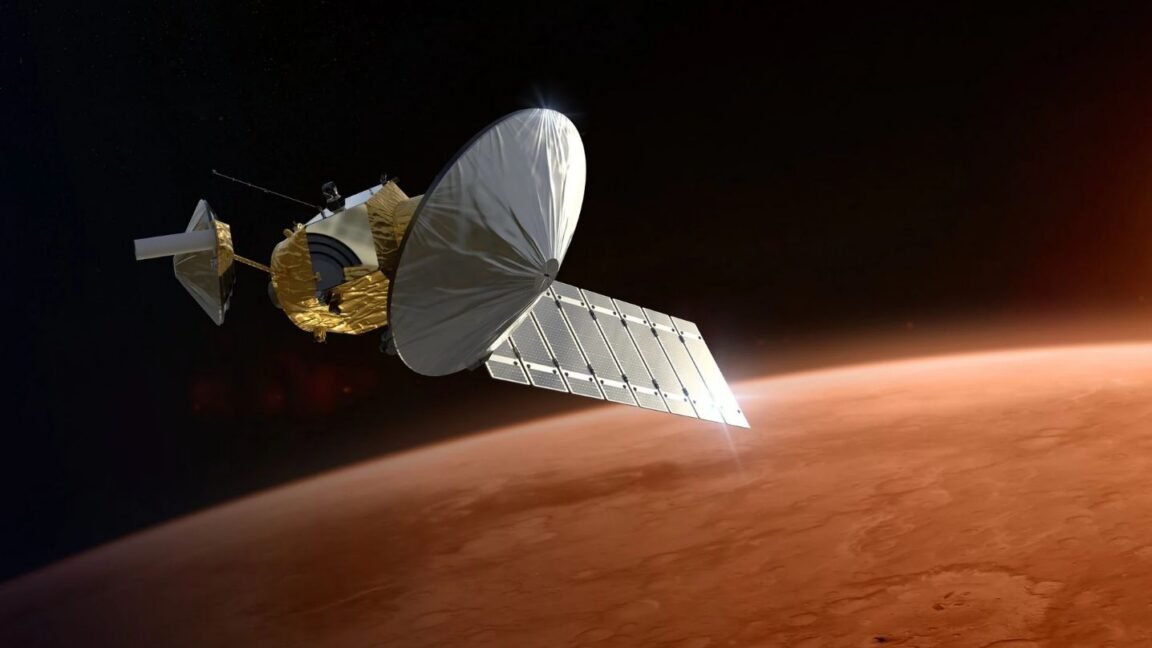
The answer probably lies in the Stennis Space Center, a rocket engine test facility in southern Mississippi. Rocket Lab already tests its Archimedes rocket engine there and plans to test engines for its Mars orbiter there. Additionally, two sources indicated, the company would likely do more testing there if NASA’s Mars Sample Return (MSR) program were resurrected.
Do you remember Mars Sample Return? NASA’s plan to return Martian rocks and soil to Earth came under severe scrutiny three years ago when its projected price tag ballooned to $10 billion. This led to much debate, including NASA ultimately asking for cheaper “commercial” proposals from companies like Rocket Lab.