

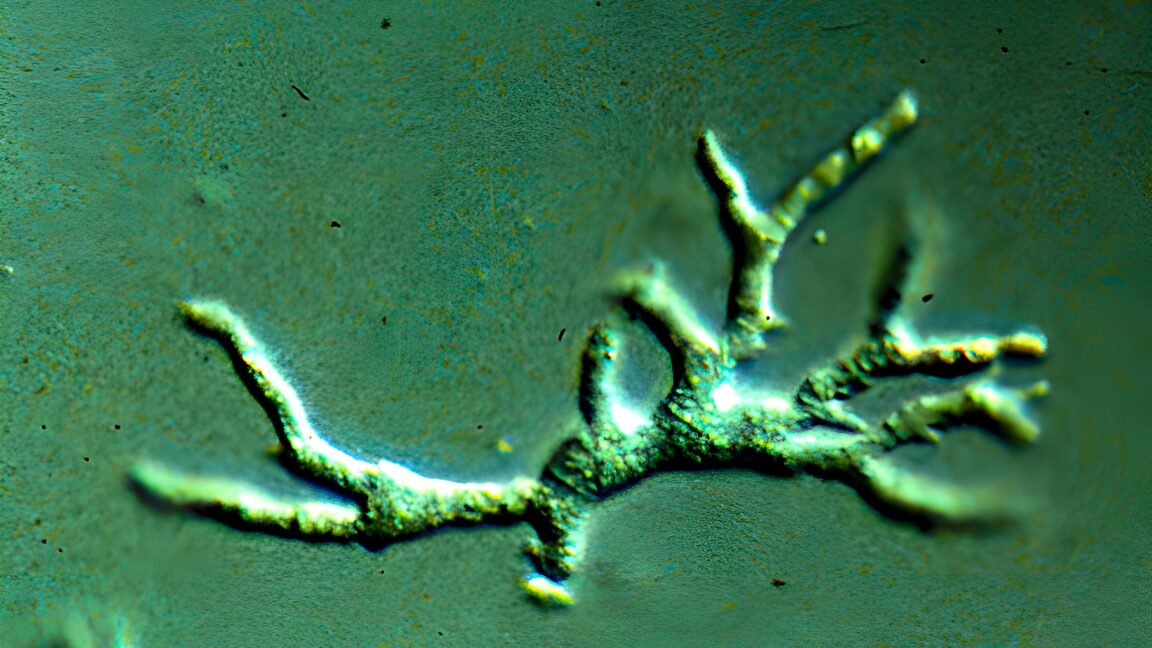
To keep this from happening again, his doctors recommend that before immunosuppressive treatment is started or escalated, doctors should do diagnostic testing on cerebrospinal fluid for infectious microbes. The genetic testing of the cerebrospinal fluid was positive, suggesting this could be a relatively noninvasive way to identify the amoeba in future cases.
B. mandrillaris infections
Early detection of a B. mandrillaris can make a difference of life and death for children. In 2010, doctors in Kentucky reported a case in a 2-year-old boy who survived. His infection was identified 10 days after he was brought to a hospital. Although he had a significant neurologic injury, he made improvements after he was discharged from the hospital. At discharge, he was unable to follow commands, communicate, or walk. After 22 months, he was able to hold himself upright, smile socially, follow simple commands, and was working on talking.
In these cases—and almost all others—it’s unclear how or why the patients became infected. B. mandrillaris lives in soil and water around the world, though cases are mostly seen in warm places. People are thought to get infected by inhaling the amoeba from windblown dust or by getting contaminated soil or water in a wound. Experts do not know why some people become infected and others don’t. People with compromised immune systems are at higher risk, but healthy people, like the boy in the new case report, can also become infected.
Common initial symptoms of B. mandrillaris begin with fever, headache, vomiting, nausea, and tiredness. In some cases, people develop telltale skin lesions, particularly on the face. Neurologic symptoms can develop days, weeks, or months later, including changes in mental status, confusion, seizures, paralysis, and difficulty walking and/or talking.