

Close Menu
AI News TodayAI News Today

    Subscribe to Updates

    Get the latest creative news from FooBar about art, design and business.

    What's Hot

    Microsoft Copilot Ease of Use Review: What 12 Real Users Taught Me

    DeepMind’s AGI Timeline: The Dates, the Doubts and the Signals That Matter

    ChatGPT Certification: What the Certificate Actually Proves

    Facebook X (Twitter) Instagram
    • About Us
    • Contact Us
    Facebook X (Twitter) Instagram Pinterest Vimeo
    AI News TodayAI News Today
    • Home
    • AI News
    • AI Reviews
    • AI Tools
    • AI Tutorials
    • Chatbots
    • AGI
    • Artificial Intelligence
    AI News TodayAI News Today
    Home»AI News»Chemistry Nobel goes to reactions like those that gave life a hand
    AI News

    Chemistry Nobel goes to reactions like those that gave life a hand

    By No Comments2 Mins Read
    Share Facebook Twitter Pinterest LinkedIn Tumblr Reddit Telegram Email
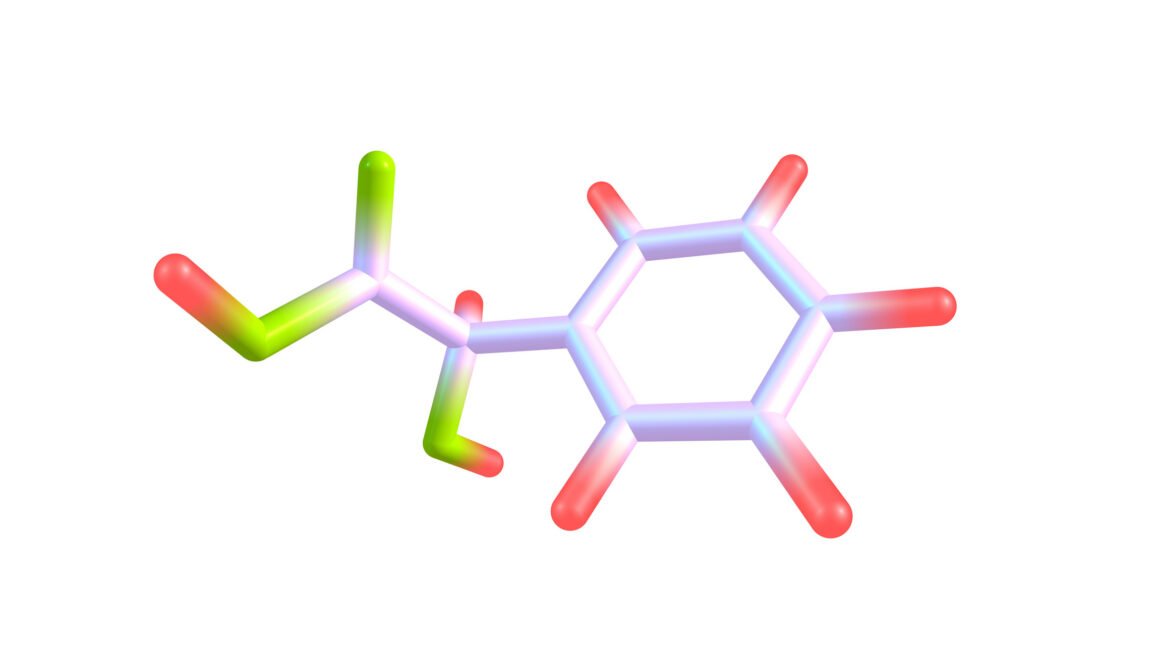
    A diagram of a chemical consisting of a ring and branched carbon chain, displayed using colored rods.
    Share
    Facebook Twitter LinkedIn Pinterest Email

    Life is remarkably selective. Life relies on many molecules with what is termed “handedness”—they’re chemically identical but are mirror images of each other. Most chemical reactions will make a 50-50 mix of the left- and right-handed forms of a chemical, but life uses only one of them. In fact, because of the differences between left- and right-handed chemicals, most of the key enzymes used by organisms will fail to work if they’re presented with chemicals that have the wrong handedness.

    That poses a bit of a challenge for origin-of-life research, as we’re forced to explain how a world that may have started with an even mix of left- and right-handed chemicals produced organisms that only used one of them.

    Today’s Nobel Prize in Chemistry goes to two individuals, Henri Kagan and Kenso Soai, who discovered chemical reactions could be biased, producing large excesses of one of the two forms of a chemical.

    Chirality and life

    The technical term for molecular handedness is “chirality,” and scientists replace left and right with dextro (D) and levo (L). But the ideas are largely the same. Your hands have all the same components—fingers and thumbs—organized in the same way. Yet if you point your thumb upward, the fingers curl in opposite directions, making one the mirror image of the other. Depending on the arrangements of the chemical bonds, many molecules can form similar mirror-image forms, with all the same parts oriented slightly differently in space.

    (For the geekier among the readership: carbon atoms have four potential sites that can form bonds, spread evenly across the surface of the atom’s sphere. If each of those sites is linked to a different chemical, then swapping the chemicals located in any two of them can potentially change the way it’s arranged in 3D space.)

    Chemistry Gave hand life Nobel reactions
    Share. Facebook Twitter Pinterest LinkedIn Tumblr Email
    Previous ArticleMicrosoft releases new Nvidia-chip AI PCs with revamped Windows 11
    Next Article Meta’s Muse launches on iPad just a month after its mobile debut
    • Website

    Related Posts

    AI News

    ChatGPT Agent Pricing: What You Actually Pay, and Whether It’s Worth It

    AI News

    ChatGPT Agent Use Cases That Are Actually Worth the Setup Time

    AI News

    ChatGPT Agent Examples That Actually Finish the Job

    Add A Comment
    Leave A Reply Cancel Reply

    Top Posts

    Microsoft Copilot Ease of Use Review: What 12 Real Users Taught Me

    0 Views

    DeepMind’s AGI Timeline: The Dates, the Doubts and the Signals That Matter

    0 Views

    ChatGPT Certification: What the Certificate Actually Proves

    1 Views
    Stay In Touch
    • Facebook
    • YouTube
    • TikTok
    • WhatsApp
    • Twitter
    • Instagram
    Latest Reviews
    AI Tutorials

    Quantization from the ground up

    AI Tools

    David Sacks is done as AI czar — here’s what he’s doing instead

    AI Reviews

    Judge sides with Anthropic to temporarily block the Pentagon’s ban

    Subscribe to Updates

    Get the latest tech news from FooBar about tech, design and biz.

    Most Popular

    Microsoft Copilot Ease of Use Review: What 12 Real Users Taught Me

    0 Views

    DeepMind’s AGI Timeline: The Dates, the Doubts and the Signals That Matter

    0 Views

    ChatGPT Certification: What the Certificate Actually Proves

    1 Views
    Our Picks

    Quantization from the ground up

    David Sacks is done as AI czar — here’s what he’s doing instead

    Judge sides with Anthropic to temporarily block the Pentagon’s ban

    Subscribe to Updates

    Get the latest creative news from FooBar about art, design and business.

    Facebook X (Twitter) Instagram Pinterest
    • About Us
    • Contact Us
    • Terms & Conditions
    • Privacy Policy
    • Disclaimer

    © 2026 ainewstoday.co. All rights reserved. Designed by DD.

    Type above and press Enter to search. Press Esc to cancel.