

Close Menu
AI News TodayAI News Today

    Subscribe to Updates

    Get the latest creative news from FooBar about art, design and business.

    What's Hot

    Flesh-eating screwworms feast on humans in Mexico; human cases top 500

    Europe’s free satellite service just made it easier to track wildfires

    After Rippling blew millions on AI in months, it built an employee ROI tool

    Facebook X (Twitter) Instagram
    • About Us
    • Contact Us
    Facebook X (Twitter) Instagram Pinterest Vimeo
    AI News TodayAI News Today
    • Home
    • AI News
    • AI Reviews
    • AI Tools
    • AI Tutorials
    • Chatbots
    • Free AI Tools
    • Artificial Intelligence
    AI News TodayAI News Today
    Home»AI Reviews»Here’s why AI agents lie and cheat to reach their goals
    AI Reviews

    Here’s why AI agents lie and cheat to reach their goals

    By No Comments3 Mins Read
    Share Facebook Twitter Pinterest LinkedIn Tumblr Reddit Telegram Email
    Here’s why AI agents lie and cheat to reach their goals
    Share
    Facebook Twitter LinkedIn Pinterest Email

    “We reward them on the basis of what looks good to us, and that means that we inadvertently incentivize the models lying to us [and] cheating,” says Jeffrey Ladish, director of the AI research nonprofit Palisade Research. “We don’t have a way to go in there and be like, No, you need to actually care about what we care about. We have no ability to do that.”

    The rise of sophisticated reasoning models has made possible a new variety of reward hacking that is less closely connected with the specific details of model training. Unlike the game-playing AI agents of yore, which exclusively followed the strategies they had learned during training, today’s models can create entirely new problem-solving approaches off the cuff, so they could conceivably cheat without having previously been rewarded for doing so. And because these models have been so intensively trained to achieve the objectives that human users set for them, they might be inclined to cheat if they can’t find another solution—not unlike a student who is highly motivated to earn an A and doesn’t have a terribly strong moral compass.

    What are the risks?

    Regardless of whether today’s models learn to reward-hack during training or adopt it as a strategy later on, the solution is the same: Make cheating unrewarding. But as models get smarter, they find more creative ways to cheat, and detecting or preventing that cheating gets far tougher. “At the end of the day, you’re sort of playing whack-a-mole,” Ladish says. “You drive this behavior down deeper and deeper. But as the model gets smarter, it gets better and better at hiding it.”

    For now, reward-hacking behaviors might not cause too much trouble, despite the drama of the Hugging Face incident. “This seems like a nuisance rather than an existential threat,” says Ariana Azarbal, an AI safety research fellow at Anthropic. It doesn’t seem as if the OpenAI models caused any real harm when they hacked Hugging Face, aside from the reputational damage to OpenAI.

    But that doesn’t mean reward hacking is harmless, Azarbal says. Many AI researchers hope to use AI agents to help them conduct research that will make AI safer and more reliable. If a researcher gives a reward-hacking-prone agent the goal of, say, devising a new AI training approach and then writing up a paper presenting its results, the agent might not actually do the work and might instead focus on putting together a paper that looks good enough to convince the researcher. A human researcher would probably be able to spot an agent-made fake today, but as AI advances, it will get better at this kind of trickery. Over time, the entire field of AI safety could be undermined.

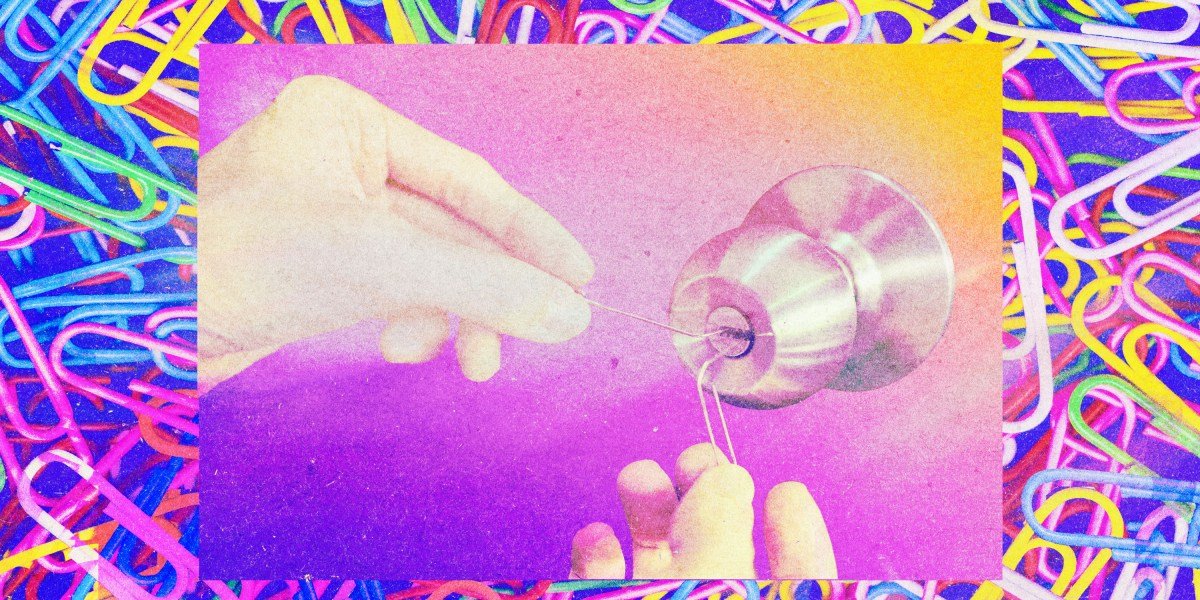
    And if models continue to advance as rapidly as they have recently, they could someday wreak substantial collateral damage. Just think of the philosopher Nick Bostrom’s paper-clip-maximizer thought experiment, in which an AI instructed to make as many paper clips as possible ends up consuming all the matter in the universe in pursuit of its goal. We’re not drowning in paper clips yet, but powerful systems can do real harm on the way to achieving their goals. Reward-hacking AIs don’t aim to cause chaos. But that doesn’t make them any less potentially destructive.

    Agents Cheat goals heres Lie reach
    Share. Facebook Twitter Pinterest LinkedIn Tumblr Email
    Previous ArticleToday’s Wordle Hints, Answer and Help for Aug. 3, #1871
    Next Article OpenAI’s ‘Astra’ solves 10 long-standing math problems
    • Website

    Related Posts

    AI Reviews

    Europe’s free satellite service just made it easier to track wildfires

    AI Reviews

    What to Include in a Heart Health Daily Regimen, From Supplements to Home Monitors

    AI Reviews

    Fenix Flexin isn’t even denying using AI to make ‘Rubberz’ anymore

    Add A Comment
    Leave A Reply Cancel Reply

    Top Posts

    Flesh-eating screwworms feast on humans in Mexico; human cases top 500

    0 Views

    Europe’s free satellite service just made it easier to track wildfires

    0 Views

    After Rippling blew millions on AI in months, it built an employee ROI tool

    0 Views
    Stay In Touch
    • Facebook
    • YouTube
    • TikTok
    • WhatsApp
    • Twitter
    • Instagram
    Latest Reviews
    AI Tutorials

    Quantization from the ground up

    AI Tools

    David Sacks is done as AI czar — here’s what he’s doing instead

    AI Reviews

    Judge sides with Anthropic to temporarily block the Pentagon’s ban

    Subscribe to Updates

    Get the latest tech news from FooBar about tech, design and biz.

    Most Popular

    Flesh-eating screwworms feast on humans in Mexico; human cases top 500

    0 Views

    Europe’s free satellite service just made it easier to track wildfires

    0 Views

    After Rippling blew millions on AI in months, it built an employee ROI tool

    0 Views
    Our Picks

    Quantization from the ground up

    David Sacks is done as AI czar — here’s what he’s doing instead

    Judge sides with Anthropic to temporarily block the Pentagon’s ban

    Subscribe to Updates

    Get the latest creative news from FooBar about art, design and business.

    Facebook X (Twitter) Instagram Pinterest
    • About Us
    • Contact Us
    • Terms & Conditions
    • Privacy Policy
    • Disclaimer

    © 2026 ainewstoday.co. All rights reserved. Designed by DD.

    Type above and press Enter to search. Press Esc to cancel.