

Those defending Hartig were hardly less outspoken. David Blight, a Yale historian also testifying, compared the White House’s attacks on the Smithsonian to the German Third Reich, saying “their model may indeed be Joseph Goebbels’ committee on enlightenment, which is what the Nazis called their committee that tried to control museums.” Rep. Jasmine Crockett, a Texas Democrat, opened her remarks by saying, “Welcome to the White Pride Committee.” Rep. Kweisi Mfume, a Maryland Democrat, vowed to sacrifice his life for the Smithsonian. “We will not let you destroy that museum,” he said. “No matter how long it takes, how many battles are required, how much effort is needed, we will not allow that to happen unless you find a way to kill all of us and walk over our bodies to change history.”
The next day’s hearing, before the House Administration Committee, was more of the same. The bipartisan consensus around the Smithsonian appeared to lie in tatters.
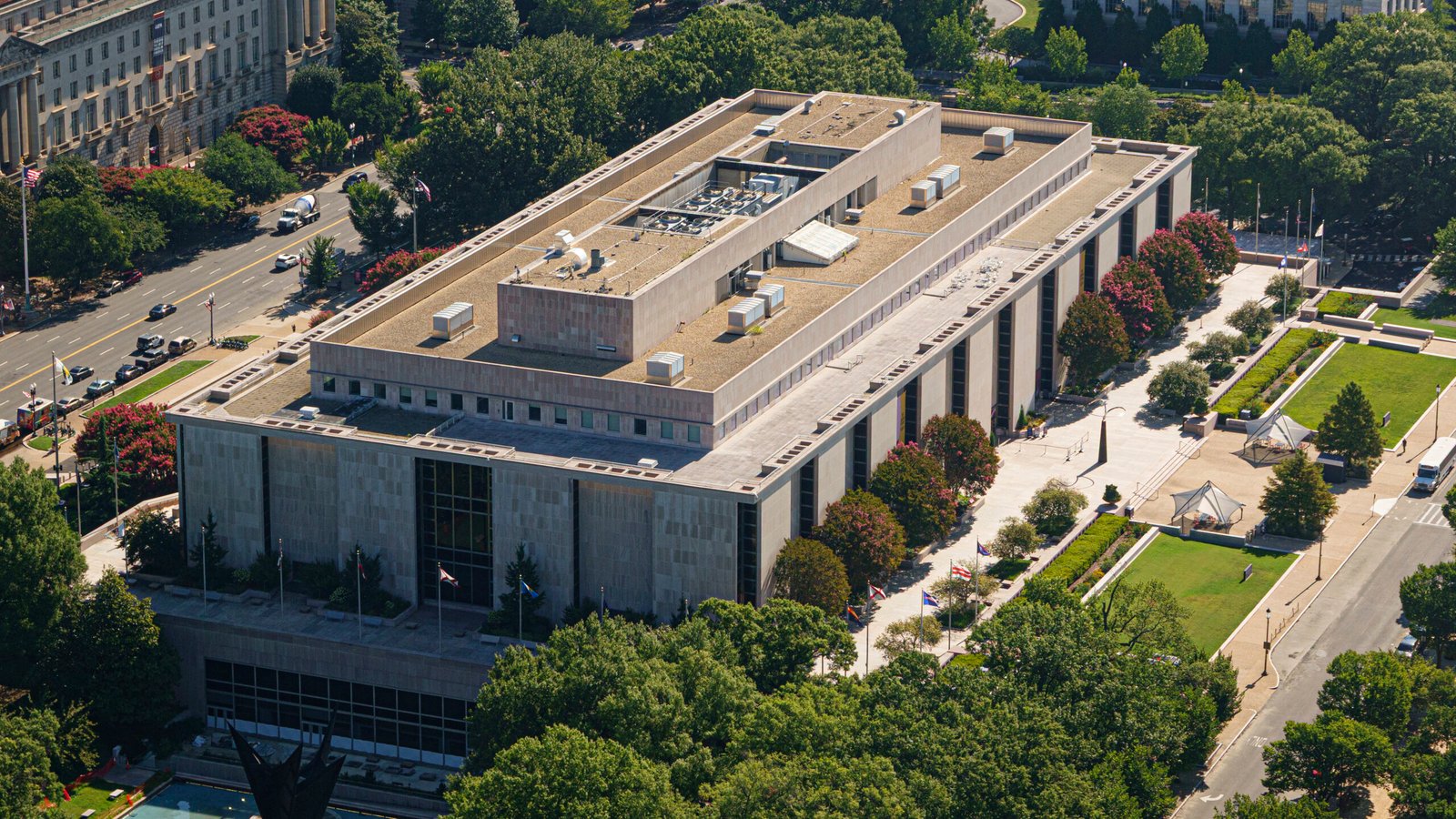
On a recent Sunday, a group of visitors made their way into the centerpiece exhibit at the National Mall entry to the history museum, the giant Star-Spangled Banner that was flying over Fort McHenry in 1814 and inspired Francis Scott Key to write what became the national anthem. For safe-keeping, the flag is displayed in very low light, giving the chamber a sacred feel, like a cathedral crypt. “Oh my god, it’s huge,” said one woman. “I am shivering,” said another. “It’s insane,” said a third.
Every day, the museum, for all its imperfections, still makes a strong impression on many visitors. But its longstanding search for identity helped make it a target for an administration looking for weak spots, and now its future and that of the entire Smithsonian hangs in the balance. Three of the nine citizen slots on the Board of Regents are vacant, and three more will be next month. Whoever the remaining members of the board — which include Vance—select to fill those slots will help determine who is chosen to replace Bunch as secretary, and the institution’s future course. Much will depend on how much Chief Justice John Roberts, at the head of the board, decides to engage.