

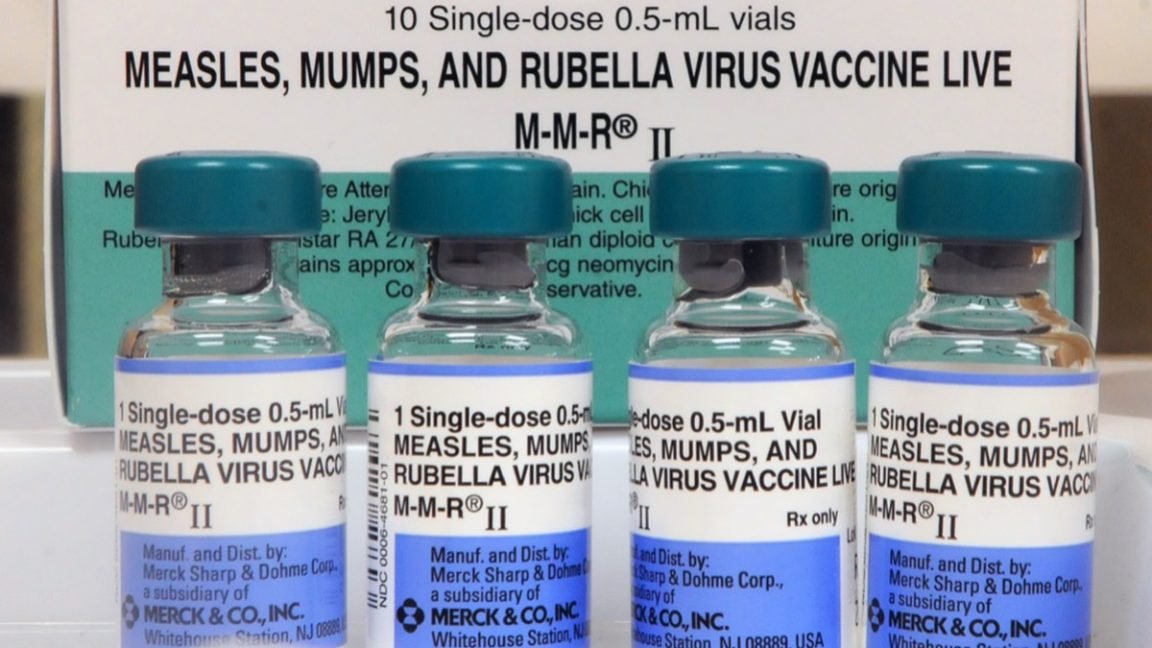
Measles emergency
Measles was declared eliminated from the US in 2000 after decades-long vaccination efforts. Elimination is earned and maintained with vaccination rates that prevent continuous transmission of the virus during a 12-month period. In November, experts at the Pan American Health Organization (PAHO)—which acts as a regional office for the World Health Organization—will review data on whether the US has lost its measles elimination status. Experts widely expect the US has lost the status. Canada lost its elimination status in 2025.
The last measles outbreak that was larger than the current one in Pennsylvania was an outbreak in New York, which spanned 1990–1991 and infected more than 4,500 in all.
Earlier this week, New York Governor Kathy Hochul declared a State Disaster Emergency over rising measles cases there. There have been at least 108 cases in the state. The emergency declaration expands the pool of healthcare workers who can provide measles vaccinations, newly including paramedics, advanced EMS providers, pharmacists, and midwives. It also allows nurses, in addition to physicians, to order measles tests.
“No one should get seriously ill or die from a vaccine-preventable disease,” Hochul said in a statement. “That is why I have taken steps to increase the number of health professionals who can vaccinate and test.”
The Centers for Disease Control and Prevention is reporting 3,887 measles cases nationwide for the year. That is the highest tally in the US since 1991, when there were 9,643 cases. Experts are becoming yet more anxious as measles outbreaks stretch into the fall; in the pre-vaccine era, measles was typically a virus of the late winter and early spring. Experts are concerned that spread could accelerate further in favorable conditions.