

Close Menu
AI News TodayAI News Today

    Subscribe to Updates

    Get the latest creative news from FooBar about art, design and business.

    What's Hot

    Taylor Farms’ connections to Trump admin spurs probe into Cyclospora response

    Talks to sell PayPal to Stripe and Advent are heating up

    Judge gives Google one week to fix “anticompetitive” app store download in Google Play

    Facebook X (Twitter) Instagram
    • About Us
    • Contact Us
    Facebook X (Twitter) Instagram Pinterest Vimeo
    AI News TodayAI News Today
    • Home
    • AI News
    • AI Reviews
    • AI Tools
    • AI Tutorials
    • Chatbots
    • Free AI Tools
    • Artificial Intelligence
    AI News TodayAI News Today
    Home»Chatbots»Policy experts: Europe stuck between “rock and a hard place” on launch
    Chatbots

    Policy experts: Europe stuck between “rock and a hard place” on launch

    By No Comments2 Mins Read
    Share Facebook Twitter Pinterest LinkedIn Tumblr Reddit Telegram Email
    Policy experts: Europe stuck between "rock and a hard place" on launch
    Share
    Facebook Twitter LinkedIn Pinterest Email

    Launch costs disparity

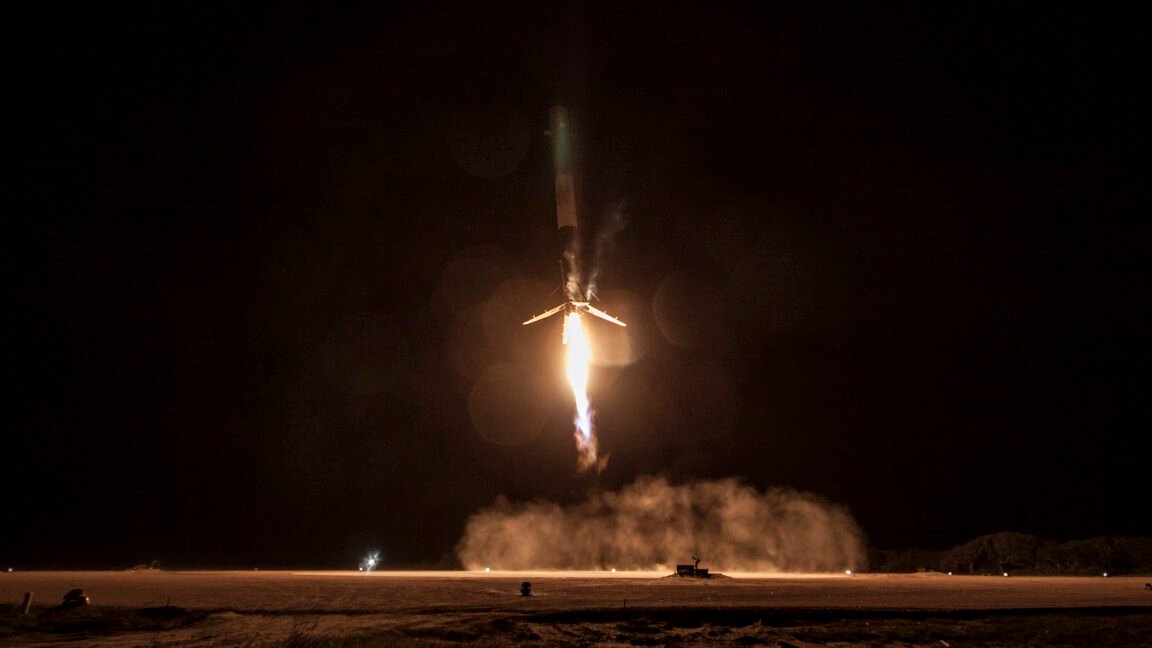
    SpaceX has also made significant gains in controlling costs compared to other nations. A decade ago, the United States and Europe had similar launch costs. Today, according to publicly available data, launch costs in Europe are now three times higher than for comparable payloads in the United States.

    The researchers estimate that the average cost of sending a kilogram of payload to orbit in the United States is now $3,225, compared to higher costs elsewhere: Japan ($5,287), China ($5,809), Russia ($6,682), and Europe ($9,897). India is higher still at nearly $15,000 a kilogram.

    Average cost per kg to orbit by country in 2025.

    Credit:
    Economics Letters

    Average cost per kg to orbit by country in 2025.


    Credit:

    Economics Letters

    “The very high figure for India might be counterintuitive as it stands in stark contrast with the narrative of the country’s frugal space program,” the authors write. “However, this is a result of focusing on small rocket sizes, which implies that, albeit being low by international standards, fixed costs get amortized over a limited payload.”

    The key factors in bringing down costs are larger rockets, increased cadence, and reuse of launch vehicles.

    “Poorly scalable domestic technology”

    As for what other countries should do about this, the researchers assert that nations in Europe and elsewhere that decide to rely solely on their domestic rockets for launch needs will see their costs go up, which could slow their efforts to expand space-based operations such as satellite constellations. This leaves policymakers in a difficult position.

    “Looking specifically at Europe, for now the continent is stuck between a rock and a hard place, having to choose between continuing to depend on lower-cost American launch technology and relying on expensive, poorly scalable domestic technology to expand its strategic presence in space,” the authors write.

    Ultimately, to remain competitive, spacefaring nations will need to develop better and more modern launch capabilities. The United States is far and away the current leader of reusable launch, and virtually all new commercial rockets under development incorporate some aspect of reuse. Chinese firms are similarly pushing forward with this technology. To date, Europe’s efforts have been slow and stodgy.

    For example, a European Space Agency program to demonstrate small, suborbital hops called Themis was originally supposed to perform low-altitude hop tests by 2022. So far, the vehicle has yet to get off the ground.

    Europe Experts Hard Launch place policy Rock stuck
    Share. Facebook Twitter Pinterest LinkedIn Tumblr Email
    Previous ArticleChatGPT Can Now Add Your Mac Activity to Its Memories
    Next Article Self-driving trucks are officially testing on California highways
    • Website

    Related Posts

    Chatbots

    Talks to sell PayPal to Stripe and Advent are heating up

    Chatbots

    A RAMageddon guide to back-to-school laptop shopping

    Chatbots

    What we know about the alleged Iranian hacks on US water utilities

    Add A Comment
    Leave A Reply Cancel Reply

    Top Posts

    Taylor Farms’ connections to Trump admin spurs probe into Cyclospora response

    0 Views

    Talks to sell PayPal to Stripe and Advent are heating up

    0 Views

    Judge gives Google one week to fix “anticompetitive” app store download in Google Play

    0 Views
    Stay In Touch
    • Facebook
    • YouTube
    • TikTok
    • WhatsApp
    • Twitter
    • Instagram
    Latest Reviews
    AI Tutorials

    Quantization from the ground up

    AI Tools

    David Sacks is done as AI czar — here’s what he’s doing instead

    AI Reviews

    Judge sides with Anthropic to temporarily block the Pentagon’s ban

    Subscribe to Updates

    Get the latest tech news from FooBar about tech, design and biz.

    Most Popular

    Taylor Farms’ connections to Trump admin spurs probe into Cyclospora response

    0 Views

    Talks to sell PayPal to Stripe and Advent are heating up

    0 Views

    Judge gives Google one week to fix “anticompetitive” app store download in Google Play

    0 Views
    Our Picks

    Quantization from the ground up

    David Sacks is done as AI czar — here’s what he’s doing instead

    Judge sides with Anthropic to temporarily block the Pentagon’s ban

    Subscribe to Updates

    Get the latest creative news from FooBar about art, design and business.

    Facebook X (Twitter) Instagram Pinterest
    • About Us
    • Contact Us
    • Terms & Conditions
    • Privacy Policy
    • Disclaimer

    © 2026 ainewstoday.co. All rights reserved. Designed by DD.

    Type above and press Enter to search. Press Esc to cancel.