

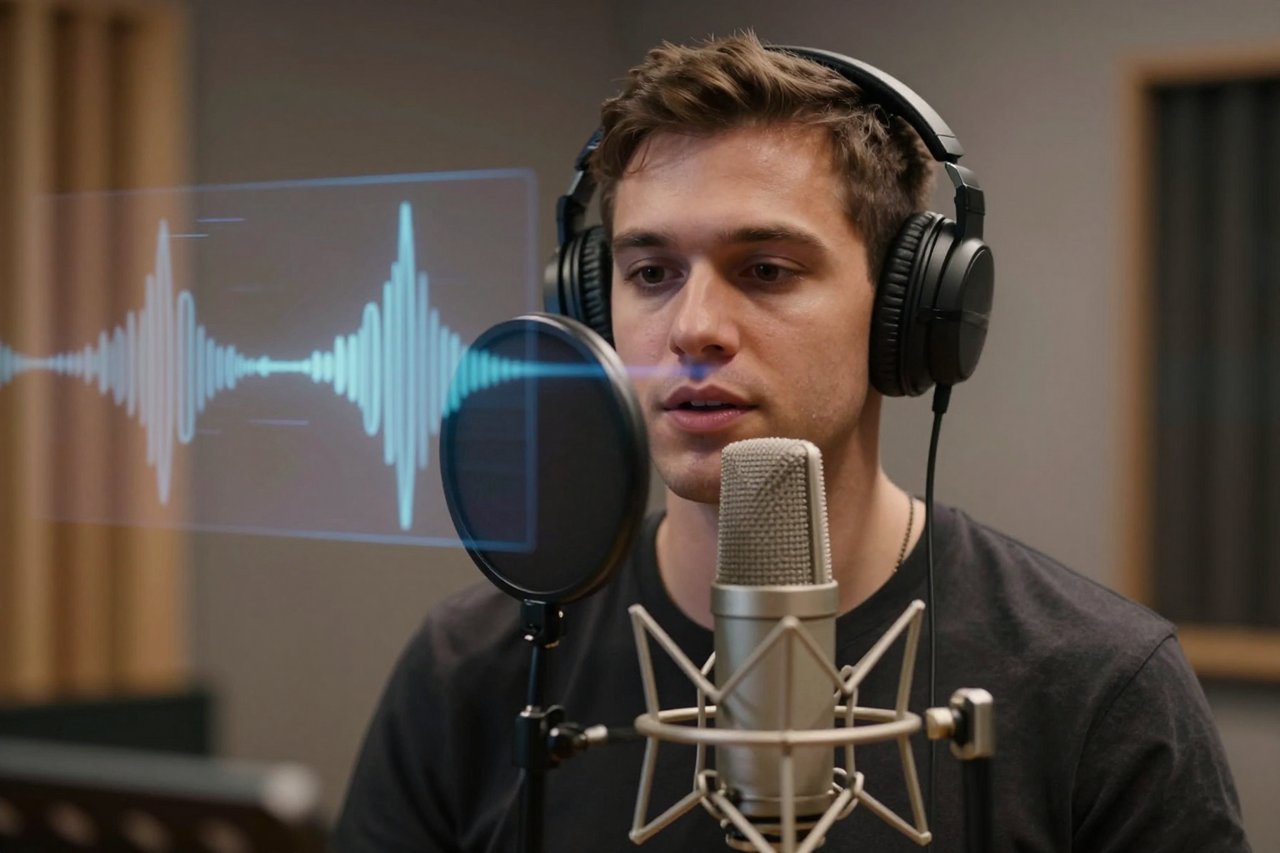
Two decades ago, if an indie game needed fifty lines of barroom chatter, the developer would corral friends, rent a microphone, and hope nobody noticed the hum of the fridge in the background. That scene is gone. Replica Studios, an AI voice platform that started in Brisbane, now generates dialogue for games, film, and virtual worlds with a level of control that used to require a full voice casting session. No calls, no retakes, no waiting on the studio.
What Is Replica Studios?
Founded in 2018, Replica Studios began as a marketplace where independent developers could license voice acting without the usual overhead. The platform has grown into three connected tools: a library of pre-made AI voices, a cloning engine for custom voices, and a text-to-speech system that turns scripts into audio in seconds. It’s not the only service in this space, but it’s one of the most tightly integrated with game development workflows.
The Voice Library and Marketplace
Browse the Replica marketplace and you’ll find characters like Brynne, a British fantasy queen, or Dante, a gruff noir detective. Each voice comes with a description of its vibe, its accent, and what it’s best suited for. You can filter by age, gender, dialect, and even emotional range. The voices are not scraped from the internet; they’re created with the consent of the human actors who provide the source recordings. That distinction matters more every year.
Custom Voice Cloning
For projects that need a specific actor, Replica offers custom cloning. You upload a few hours of clean audio, and the platform learns that voice well enough to speak new lines. It’s not perfect for intense screaming or whispered breakdowns, but it handles narration, dialogue, and background banter without a problem. Studios use it for retakes when the voice actor isn’t available, or to build an entire cast of characters from a single performer. If you’d rather roll your own, open-source tools like OpenVoice give you that kind of control, but they come without the marketplace, the engine plugin, or the licensing support.
Plugging Straight Into Unreal Engine 5
The feature that sets Replica Studios apart from a generic web-based TTS tool is its Unreal Engine 5 plugin. Inside the editor, you can select an AI voice, type a line of dialogue, and generate the audio file without ever leaving the project. The plugin even marks timing data and generates animation-friendly placeholders. For small teams, this removes an entire layer of audio admin that used to require a dedicated sound designer.
The SAG-AFTRA Agreement That Shifted the Industry
In 2024, Replica Studios signed a deal with SAG-AFTRA, the union representing voice actors. This was a landmark moment. The agreement allows union members to license their voice for video game projects and get paid for AI usage, with consent built into the process. It legitimized AI voices for many studios that had been wary of using them. If you’re hearing AI voices in a big studio game now, there’s a good chance it’s running under this union-approved framework.
What Developers Actually Use It For
I talked to a few developers who use Replica and the use cases are broader than you’d expect. Here’s a list of the most common:
- Prototyping: Filling in dialogue early in development so they can test pacing before hiring actors.
- Background chatter: Creating thousands of crowd voices for open-world cities, taverns, and battle scenes.
- Rapid localization: Generating localized voiceovers in a dozen languages from one script, instead of coordinating multiple studio sessions.
- Demo builds: Recording full lines for pitch demos and investor presentations without spending a cent on talent.
- Post-launch patches: Adding new dialogue for seasonal events or updates when the original actor isn’t available for a quick session.
One indie studio generated over 10,000 lines of NPC dialogue this way, then brought in human actors only for the critical story moments. Another used custom cloning to keep a beloved character’s voice after the actor passed away, with the actor’s family’s full permission. These are real, practical applications—not just futuristic tech demos.
The Bigger World of AI Voices
Replica isn’t the only player in this space. The open-source corner has its own champions, but commercial platforms have made it cheap and easy, which is why they’ve won so many converts. At the same time, the use of synthetic voices is spreading beyond games. ESPN’s animated alt-casts use digital avatars and AI-powered audio to create a new way of watching sports, and Disney’s Millennium Falcon ride now activates Fortnite in-game rewards, pulling the theme park and the game closer together. That kind of cross-media pipeline relies on a steady stream of generated dialogue.
It’s not just about speaking lines. The distinction between a game, a film, and a live broadcast is dissolving, and AI voice platforms are one of the reasons.
Is Replica Studios Worth the Cost?
Pricing is credit-based, with a handful of free credits to start and subscription tiers that scale with how many lines you need to generate. For a small team, a basic plan costs less than two hours of studio recording time. The value only grows as you use it. The quality is impressive—most everyday dialogue sounds like a human read. It still struggles with extreme emotion, like shouting that goes beyond “irritated” into “primal rage,” but those cases can be handled by a human actor or by layering in sound effects.
The Ethics Conversation Won’t Go Away
The SAG-AFTRA deal was a step forward, but it doesn’t fully answer the big question: what happens to the hundreds of thousands of working voice actors who aren’t union members? Many are wary, some are openly hostile. Replica’s argument is that its platform gives actors control and revenue share, but it also makes it easier for studios to do more with fewer paid performances. That tension isn’t going to fade. Smart studios use Replica as a supplement to human talent, not a replacement for it. The ones who take that path are likely to find both players and actors more willing to forgive the technology.
What’s Next for Replica Studios
Replica is already working on real-time dialogue generation—voices that change their tone based on in-game context, maybe even remembering past interactions with the player. Imagine a blacksmith who sounds genuinely bitter after you botched his side quest. That kind of dynamic audio would be impossible with traditional recordings. The platform is also moving into pre-visualization for films, where directors can quickly generate temporary voices for storyboards and animatics. It’s a fast-moving field, and Replica Studios is in the middle of it.
The next few years will decide whether AI voices become an assistant to the craft or a cheap substitute for it. For now, Replica is making the case that it can be both—if used with a bit of respect for the humans who make it all possible.