

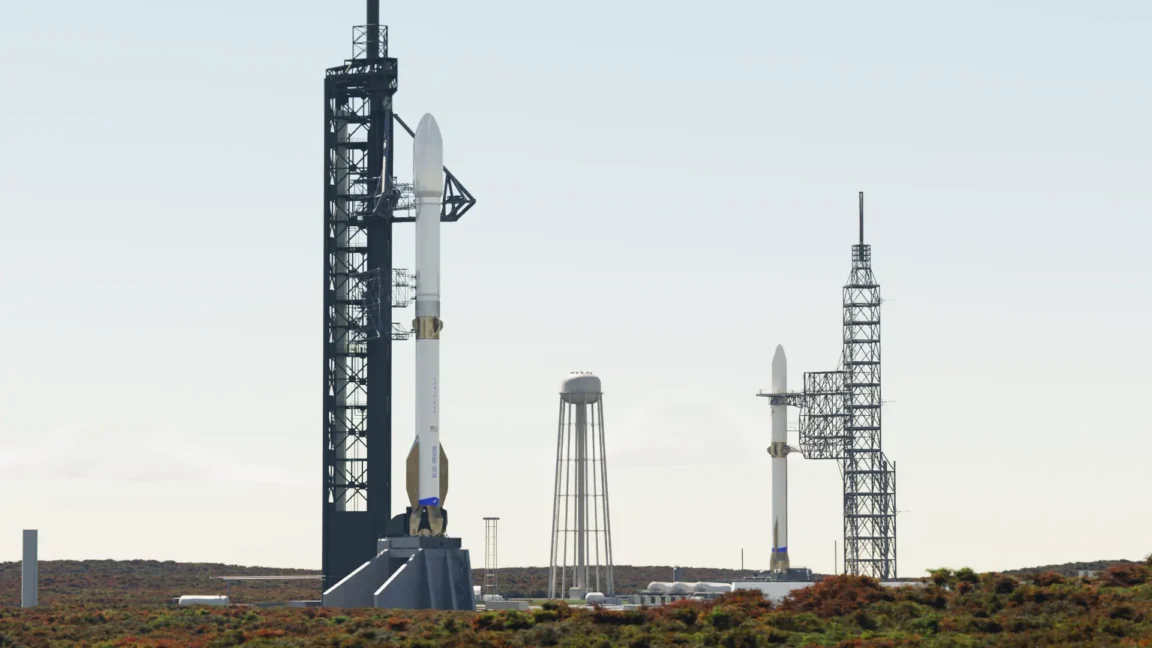
ArianeGroup decides not to halt MaiaSpace. ArianeGroup has decided against dissolving MaiaSpace after the company posted a 37.5 million euro loss for 2025, pushing its shareholders’ equity below zero, European Spaceflight reports. Shareholders’ equity fell from a positive 35.82 million euros at the end of 2024 to negative 823,375 euros. Shareholders’ equity is what remains after the company has paid all its liabilities. A negative figure means MaiaSpace owes more than it owns.
Yes, most rocket startups lose a lot of money … Under French corporate law, when shareholders’ equity falls below half of the company’s share capital, the shareholder, in this case ArianeGroup, is required to decide whether the company should be dissolved or allowed to continue operating. At a meeting on June 25, 2026, ArianeGroup officially rejected the option of dissolving MaiaSpace, allowing the company to continue preparations for the inaugural flight of Maia. ArianeGroup’s pockets are not bottomless, so this bears watching.
Firefly increases Alpha rocket production. Firefly Aerospace says it is seeing strong interest in its launch vehicles and is ramping up production, Space News reports. Firefly executives said in an August 11 earnings call that production of its Alpha launch vehicle is at an “all-time high” as development continues on its larger Eclipse vehicle. “I can’t stress enough that the demand for launch capacity is amplified right now. We’ve never seen launch capacity so constrained,” Jason Kim, chief executive of Firefly, said during the call.
Production hasn’t translated into increased cadence … “A majority of our manifest for 2027 has already been sold out,” Kim said, but declined to say how many missions were on its manifest for the year. “We’re not going to talk about guidance for 2027,” he said when asked about the company’s projected launch cadence for next year. Alpha has launched only seven times, dating back to September 2021.
Virgin Galactic isn’t flying, but it is naming. As Virgin Galactic nears christening the first of its next-generation spaceship designed to launch customers on suborbital flights, it still is missing a key component—a name, Ars reports. Virgin Galactic completed structural assembly of “Delta-1,” its first new spaceship, earlier this year and towed it from its assembly hangar to a test and launch hangar in Arizona. Like SpaceShipTwo, Delta spaceships are designed to fly with up to six people.